 20 Old Brompton Road, South Kensington, London SW7 3DL
Located at 20 Old Brompton Road – Just Steps from  South Kensington Tube. Easy Access, Always.

05 Oct 2025
Bleeding between Periods: When Should You See a Doctor?
Spotting or bleeding between periods can feel unsettling, and while it’s not always a sign of something serious, it should never be ignored. Many women experience it at some point, but understanding what’s normal and what could signal a problem is key to protecting your health.
What is Intermenstrual Bleeding?
Bleeding between periods, also called intermenstrual bleeding, refers to any vaginal bleeding that occurs outside of your regular menstrual cycle. It can range from light spotting that lasts a day to heavier bleeding that feels like an extra period.
While occasional spotting may be harmless, persistent or heavy bleeding is worth investigating.
How Common is It?
Studies suggest that up to 9–14% of women experience intermenstrual bleeding in any given year. It is more common in women using hormonal contraception, approaching menopause, or with underlying gynaecological conditions.
Harmless Causes of Bleeding between Periods
Some causes are benign and temporary:
- Hormonal contraception: The pill, patch, injection, or coil can trigger spotting, especially in the first 3–6 months of use.
- Ovulation spotting: Some women notice light bleeding mid-cycle when the ovary releases an egg. This is usually short-lived and harmless.
- Stress and lifestyle changes: High stress, weight loss, or excessive exercise can disrupt hormones and cause breakthrough bleeding.
- Perimenopause: Hormonal fluctuations before menopause often lead to irregular or unexpected bleeding.
- Pregnancy-related changes: In very early pregnancy, spotting can occur around implantation, though this should always be confirmed.
When It Could Be a Warning Sign
Bleeding between periods can also signal an underlying condition that requires medical attention. These include:
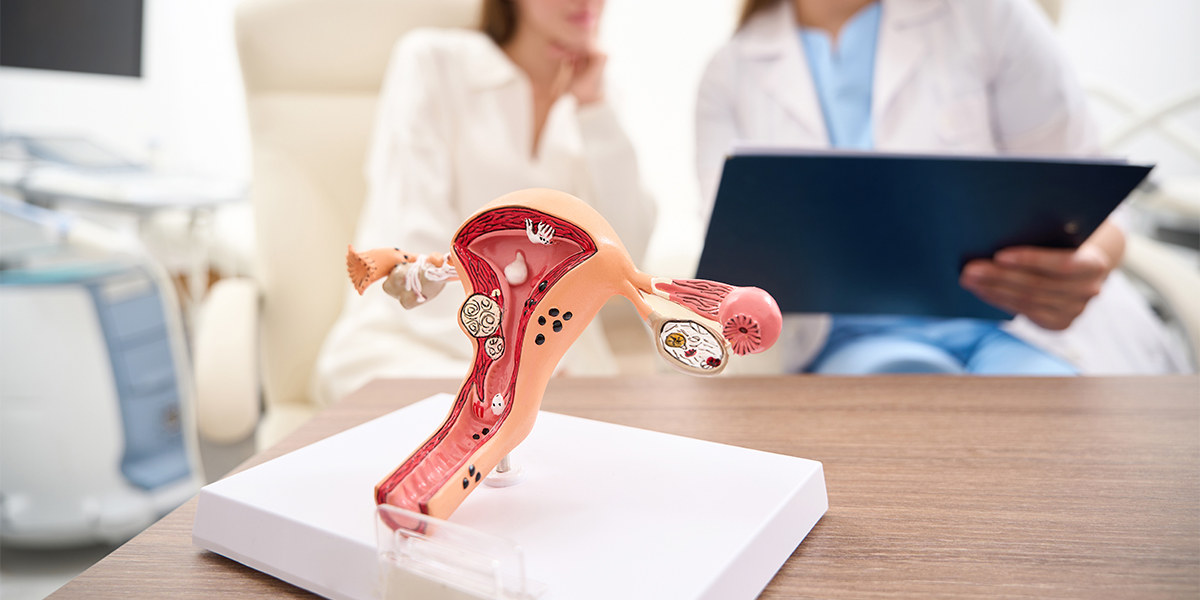
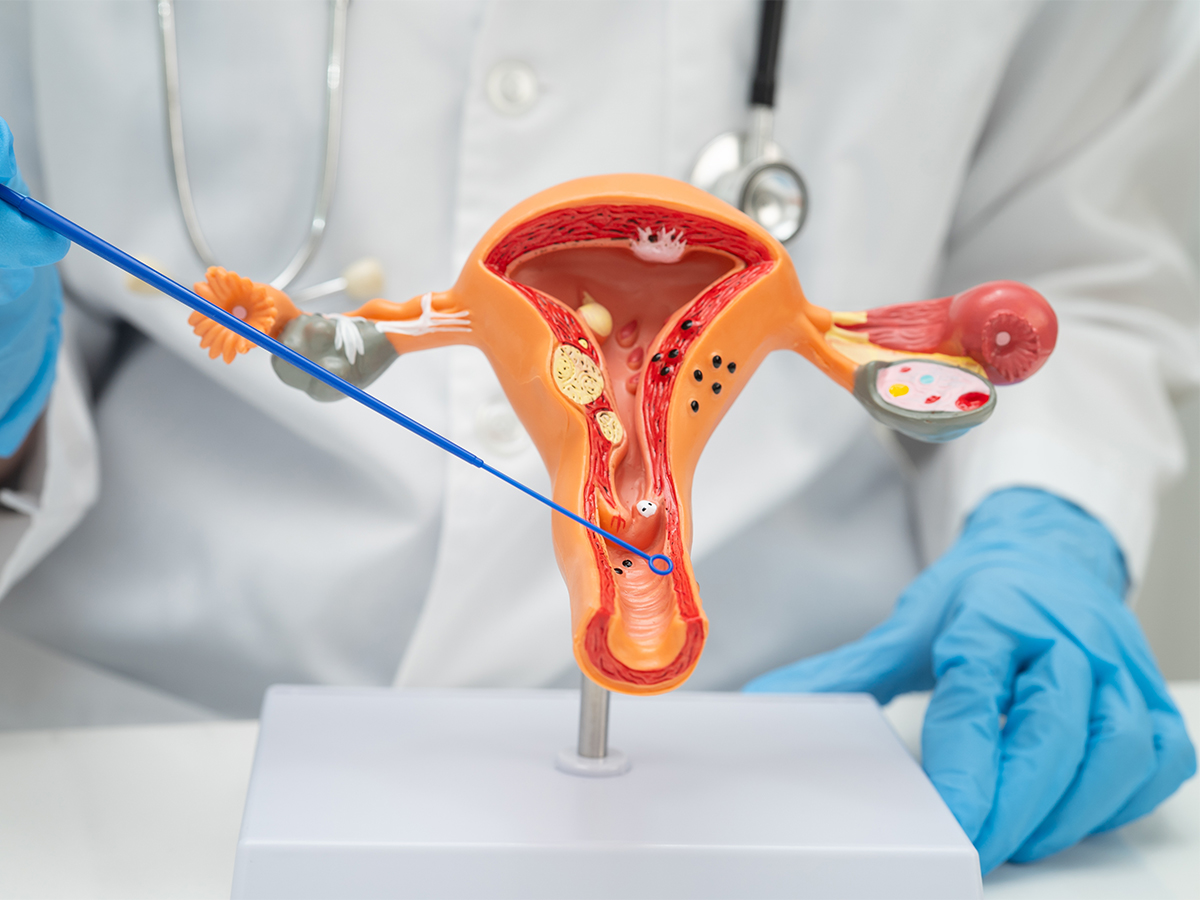
- Fibroids and polyps: Benign growths in the womb or cervix that may cause irregular bleeding, heavy periods, or pelvic pressure.
- Endometriosis or adenomyosis: Conditions where tissue similar to the womb lining grows outside or within the uterine wall, often leading to pain and spotting.
- Infections: Pelvic inflammatory disease (PID) or sexually transmitted infections (STIs) such as chlamydia can trigger abnormal bleeding.
- Thyroid or hormonal disorders: Both underactive and overactive thyroid conditions can affect menstrual cycles.
- Cervical or endometrial changes: In rare cases, abnormal bleeding can be an early sign of cervical or uterine cancer.
If you’ve noticed unexpected bleeding, a private gynaecology consultation with a smear test, HPV screening, or ultrasound can help identify the cause and provide peace of mind.
What to Track before Seeing a Doctor
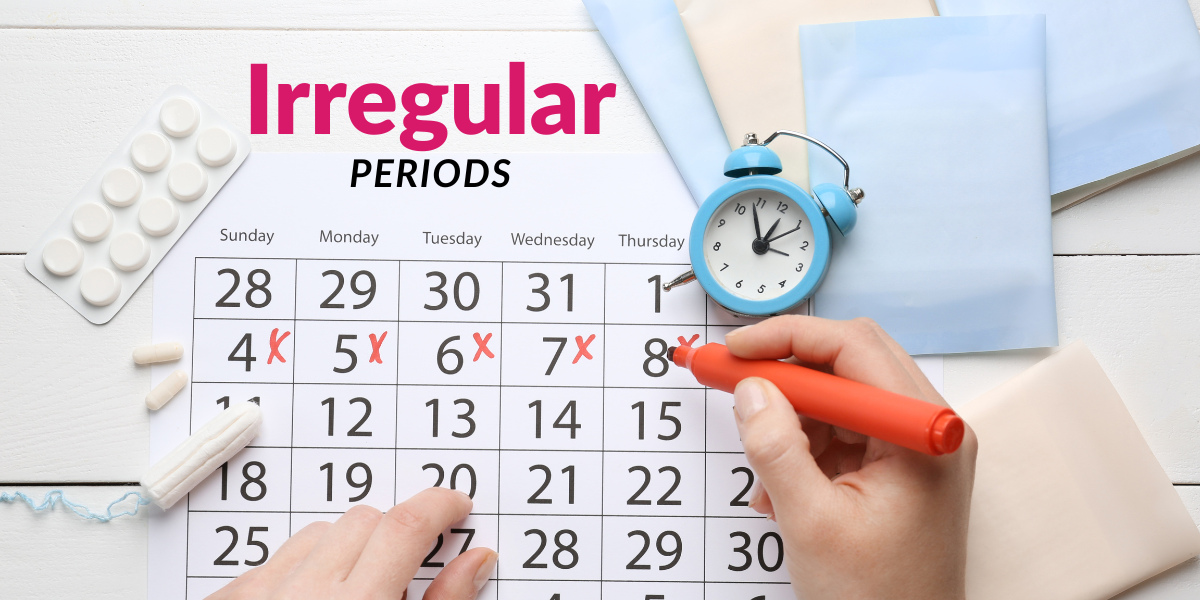
Keeping detailed notes can help your gynaecologist make a faster diagnosis. Try to record:
- Timing: When in your cycle the bleeding occurs.
- Flow: Is it just light spotting or heavier?
- Colour: Pink or brown spotting is usually less concerning than bright red blood.
- Duration: How long the bleeding lasts.
- Other symptoms: Such as pain, unusual discharge, fever, or fatigue.
Investigations You May be Offered
Depending on your age, symptoms, and history, your gynaecologist may recommend:
- Cervical screening (smear test): To check for abnormal cervical cells.
- HPV testing: To detect high-risk human papillomavirus strains.
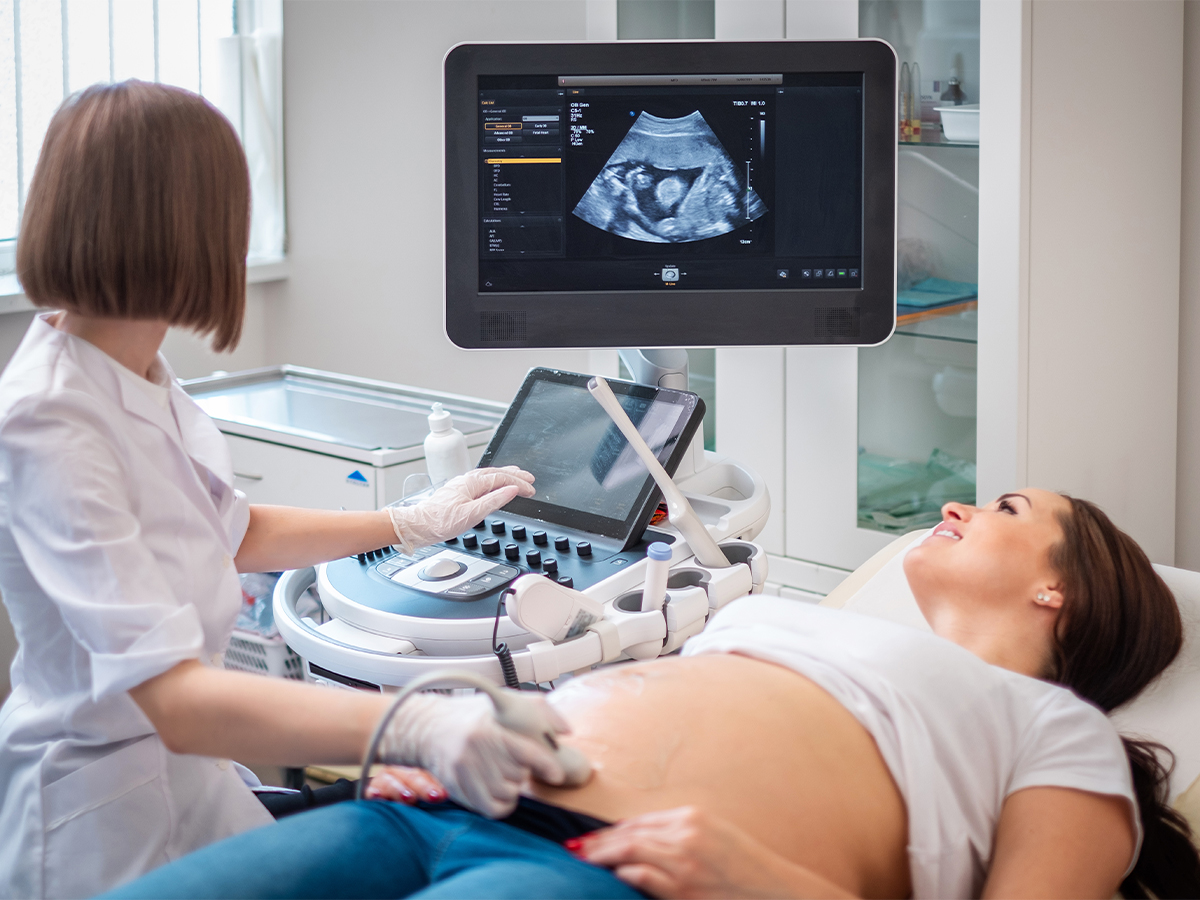
- Pelvic ultrasound: Trans-vaginal or abdominal scans to look for fibroids, cysts, or changes in the womb lining.
- Blood tests: To assess hormone levels, thyroid function, or markers of infection.
- Endometrial biopsy: If changes in the womb lining needs closer examination.
Can You Prevent It?
While not all causes of intermenstrual bleeding are preventable, some lifestyle steps may help:
- Maintain a healthy weight and balanced diet.
- Manage stress through relaxation, sleep, and exercise.
- Attend routine cervical screening when invited.
- Use contraception consistently if sexually active.
- Get regular STI checks if at risk.
Emotional Impact
Unexpected bleeding can be distressing, especially if you are worried about fertility, cancer, or infection. It’s important to remember that most causes are treatable and not life-threatening. Speaking to a gynaecologist can provide reassurance as well as answers.
Final Thoughts
Bleeding between periods is relatively common, but that doesn’t mean it should be ignored. While hormonal changes and contraception can often explain it, persistent or heavy bleeding may point to conditions that need treatment. Early assessment ensures problems are picked up quickly and managed effectively.
If you’re concerned about bleeding between periods
Book a private gynaecology appointment for fast access to expert care and the reassurance you deserve.
BOOK ONLINE NOW 02071832153
Popular Posts













When Should You Book Your First Pregnancy Scan?
Sep 18,2025


Is Your Pelvic Pain Normal or a Warning Sign?
Sep 15,2025


Prioritising Women’s Health: What Matters Most
Jul 27,2025
Exploring the Symptoms of Early Pregnancy
May 01,2025
Identify Vaginismus: Know the Signs and Symptoms
Feb 01,2024

Tips From A Gynaecologist For A Healthy Vagina
May 09,2022

What You Should Discuss With Your Gynaecologist
May 23,2022
9 Healthcare Tips For The Vagina
Apr 25,2022