 20 Old Brompton Road, South Kensington, London SW7 3DL
Located at 20 Old Brompton Road – Just Steps from  South Kensington Tube. Easy Access, Always.
31 Aug 2025
Coping After Miscarriage: Recovery and Trying Again
Losing a pregnancy can feel crushing, especially when all you long for is a child. This might feel like your own body is against you. On top of that, hormonal changes after miscarriage can affect your mood and completely drain your energy.
In most cases, miscarriage is wrapped in silence. Yet it is more common than many realise, affecting about 1 out of 5 pregnancies. The good news is that most women who go through it later have healthy pregnancies. So, if you have had a miscarriage, there is still hope for you.
This blog looks into life after experiencing a miscarriage, including possible causes and the right time to try again.
What to Expect After a Miscarriage
The following symptoms are normally associated with miscarriage:
- Abdominal cramping
Cramping is usually common after a miscarriage. This happens because the uterus contracts to push out the pregnancy and tissue. Some women compare the pain to strong period cramps, while others say it feels like labour contractions. Once the pregnancy has passed, the pain eases and may continue lightly for about a day. Ibuprofen or paracetamol can help, but if the pain becomes too severe, speak to your gynaecologist or doctor or go to an emergency room.
- Bleeding
How much you bleed after a miscarriage often depends on how far the pregnancy had progressed. During the miscarriage, bleeding may be heavy, with clots and pregnancy tissue passing. After the pregnancy has passed, bleeding usually continues for 1 to 4 weeks. Over time, it should lessen and may change to a brown colour. Use sanitary pads instead of tampons or cups, as these can raise the risk of infection.
Seek medical help straight away if bleeding makes you faint, feel unwell, or if you need to change a heavy pad more than once an hour for several hours.
Additional after-effects of a miscarriage
Some effects after miscarriage depend on how it was managed. If medicine is used, you may briefly have symptoms such as:
- Nausea or vomiting
- Rash
- Diarrhoea
- Shivering
If surgery was conducted, you would have received a local or general anaesthetic. After this, you may notice short-term effects such as:
- Nausea and vomiting
- Shivering
- Feeling disoriented or forgetful
- Soreness
- Headaches
- Dizziness
- Blurred vision
- Numbness, weakness, or muscle twitches
Anaesthetic side effects usually last no longer than a day. If they continue or worry you, call or visit the hospital where you received treatment.
Hormones after Miscarriage
After a miscarriage, pregnancy hormones begin to fall. The speed of this drop differs for each woman. As soon as the bleeding stops, hormone levels slowly return to normal. Other pregnancy signs, such as breast tenderness or nausea, also fade until they totally stop.
Alongside the grief of child loss, these hormonal changes can affect mood and energy. You might feel tired, tearful, or experience sudden mood swings. Some women also notice problems with sleep, anxiety, or even shortness of breath.
Around three weeks later, your doctor might want you to take a pregnancy test. This helps confirm the miscarriage is complete. If not, medication or a procedure may be needed.
When to Try Again for a Baby after a Miscarriage
If your cycle is usually regular, your next period may come 4 to 8 weeks after a miscarriage. It can take a few months for cycles to settle back into rhythm.
Ovulation happens before your first period, so you may be fertile within the first month after a miscarriage. If your symptoms have cleared, you can choose to try again. Some doctors suggest waiting for one period before trying; this can make early scans and pregnancy dating easier. However, the decision is yours.
It’s important to avoid having sex until all miscarriage symptoms, such as bleeding, have fully stopped. Having intercourse too soon increases the risk of infection.
Will I Still Have a Successful Pregnancy After a Miscarriage?
Most women who experience miscarriage go on to have a healthy pregnancy. Your chances of success remain high. Still, there are some key points to remember:
- The risk of another miscarriage rises if you have had several.
- Two or more miscarriages are classed as recurrent miscarriage. In this case, testing and treatment are recommended.
- The common risk factors associated with miscarriage include older maternal age, older paternal age, and a previous history of pregnancy loss.
In general, time is fertility; so, if there is an underlying problem, it is best to identify it early through testing and treatment.
Possible Causes and Treatment of a Miscarriage
- Chromosomal abnormality
The most common cause of miscarriage is a problem with the embryo’s chromosomes. Chromosomes carry the baby’s genetic information. If there are excessive or too few, the embryo cannot develop normally. This is not something parents can control. In most cases, couples go on to have healthy pregnancies afterwards.
For those with recurrent miscarriage (two or more successive cases), testing can be helpful. The gynaecology clinic conducts pre-implantation genetic screening during IVF/ICSI. This checks embryos for chromosomal problems before transfer so as to avoid miscarriage.
- Insulin and hormonal disorders
Having health conditions like diabetes can raise the risk of miscarriage. Recurrent miscarriage has also been linked to later development of type 2 diabetes. At times, diabetes is poorly managed, or a woman may not even know she has it.
Polycystic ovarian syndrome (PCOS) can as well affect insulin and may contribute to miscarriage.
After a miscarriage, qualified fertility specialists should carry out a full consultation and screening. This helps identify and manage any health conditions that could make it harder to carry a pregnancy to term.
- Thyroid disorders
The thyroid is an important hormone-producing gland. Normally, thyroid issues remain undetected until they affect a woman who wants to conceive or carry a pregnancy.
An underactive thyroid (hypothyroidism) might make it difficult to sustain a pregnancy because the gland does not produce enough hormones for foetal growth. Some women also have high thyroid antibodies in their blood, which attack the thyroid and reduce its function. This can increase the risk of having a miscarriage.
Thyroid problems can be detected with a blood test and are usually treated successfully with medication. If you have thyroid issues, it is important to manage them before trying to conceive.
- Infections
Certain infections, both common and rare, can increase the risk of miscarriage. Sexually transmitted infections like chlamydia or gonorrhoea may cause problems even without showing symptoms. So if you have experienced a miscarriage, it is important for doctors to review your risk factors and carry out thorough infection screening.
- Blood clotting disorders
Thrombophilia, or overly “sticky” blood, is linked to miscarriage. When blood clots too easily, it can reduce flow to the placenta. This may block oxygen and essential nutrients from reaching the foetus, hence causing miscarriage.
Treatment can consist of blood thinners like aspirin or heparin to improve blood flow and support pregnancy.
- Weakened cervix
A weakened cervix, also called cervical incompetence, happens when the cervical muscles do not stay closed to support a pregnancy. This can cause miscarriage or early labour. Treatment may involve progesterone and careful monitoring. In some cases, a cervical stitch is used. This stitch is placed around the cervix in order to help keep it closed until the last month of the pregnancy.
- Womb abnormalities
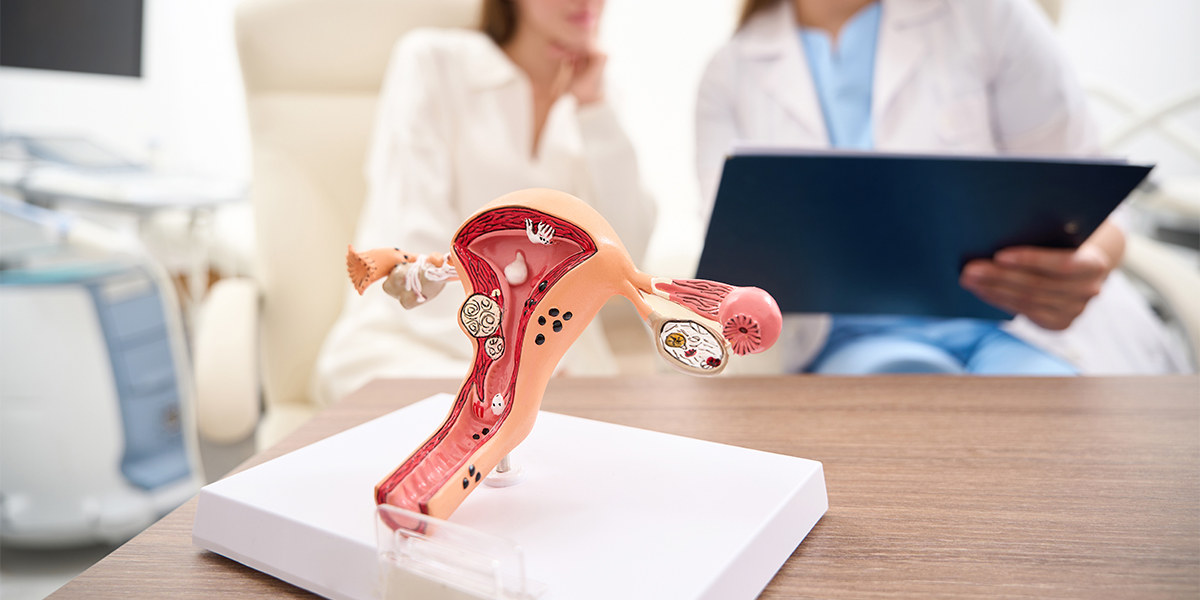
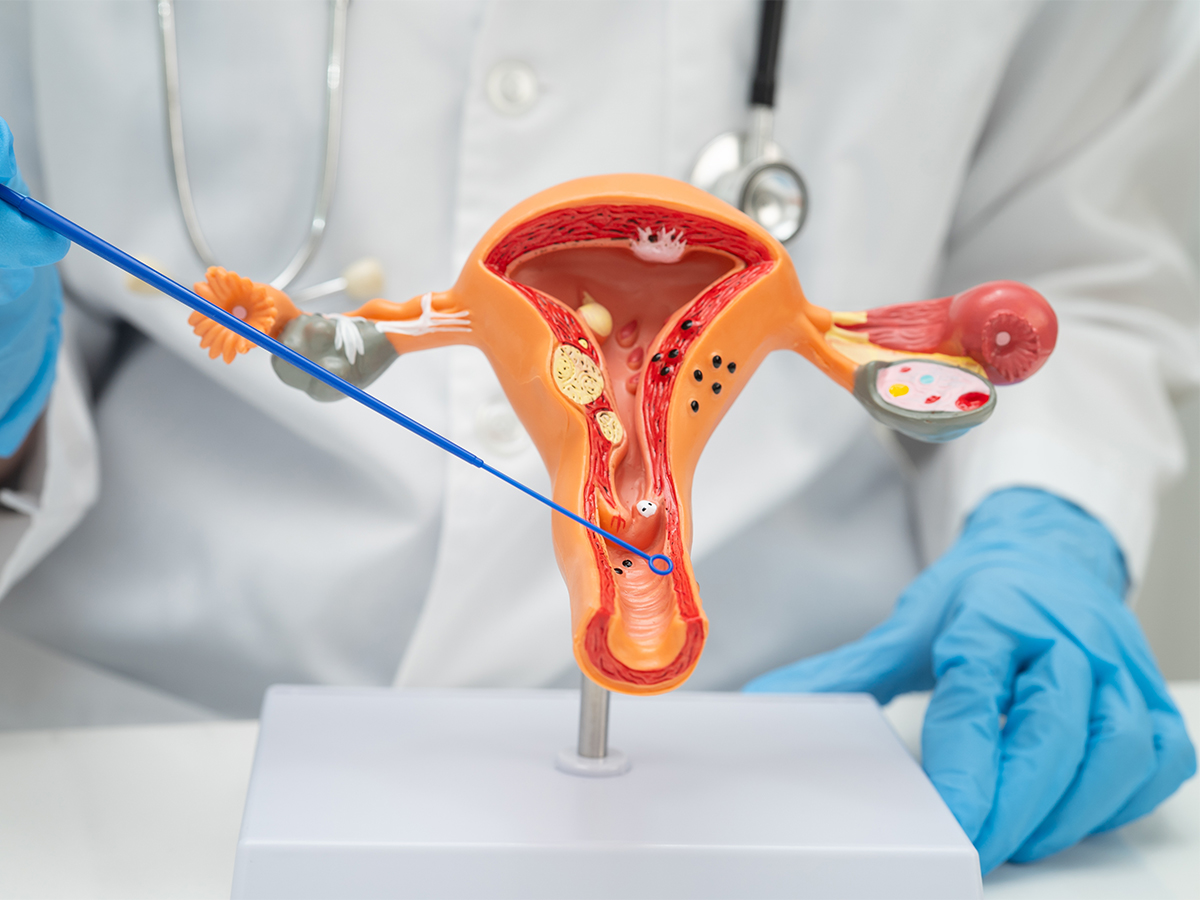
A miscarriage can happen if the uterus’s interior has structural problems. A woman may have adhesions from past surgery or infections, scar tissue, polyps (benign growths), or a septum present from birth. A septum is an additional piece of tissue in the womb, which can be small or large enough to divide it into two cavities.
Even minor abnormalities can make carrying a pregnancy harder. Thus, treating these issues can improve the chances of success.
To check for uterine problems, fertility specialists can perform scans. One method is saline hysterosonography (SIS or “aqua scan”), where saline is injected into the womb to examine its structure. If an issue is found, a hysteroscopy may be done. This involves using a small telescope with a light and camera to view the womb and decide the best treatment, such as removing polyps surgically.
- Immune system problems
Sometimes, the immune system may be involved in some women with recurrent miscarriage. For example, if natural killer cells are too active, they can attack the embryo or interfere with pregnancy hormones.
The gynaecology clinic focuses on recurrent miscarriage care and has expertise in reproductive immunology. For certain women, this field of medicine helps identify and treat immune issues that may prevent them from carrying a pregnancy to term.
Miscarriage Causes Tests
If you have had repeated miscarriages and still want to try conceiving again, testing can help find answers you need. A good fertility clinic can look for underlying problems. The gynaecology clinic focuses on miscarriage testing as well as complex cases.
Miscarriage testing usually covers 5 key areas, including:
- Sperm DNA fragmentation: Advanced sperm testing can reveal DNA problems that may cause chromosomal abnormalities.
- Immune testing: Specialised immune blood tests measure certain immune chemicals that, if too high, may prevent a pregnancy from progressing.
- Karyotyping: Both parents can be tested for genetic problems. These can then be checked in embryos.
- Infection screening: This checks for common and rare infections that may make it hard to carry a pregnancy. The uterine microbiome, which is the natural bacteria that help embryos implant and grow, is also tested.
- Uterine cavity assessment: This involves looking at the womb itself to see if abnormalities are stopping the embryo from implanting or developing properly.
How to Manage Recurrent Miscarriage
Treatment for recurrent miscarriage focuses on addressing the underlying cause. About half of couples, however, have no clear reason for repeated losses, even after detailed testing.
If a health issue or genetic disorder is identified, managing it may help prevent future miscarriage. If scar tissue in the uterus is suspected—often from surgery or pelvic infection—your doctor may remove it surgically to lower the risk.
For women with cervical insufficiency, where the cervix opens too early, a cervical stitch (cerclage) may be placed. This helps keep the cervix closed during pregnancy.
Your doctor may also test your blood type. If you are Rh-negative and the baby is Rh-positive, this can cause complications. In such cases, an injection of Rh immunoglobulin is recommended to protect future pregnancies.
How to Cope After a Miscarriage
Experiencing a miscarriage can be very painful, and it is normal to ask yourself if there is something wrong you did to trigger the loss. But most pregnancy losses are beyond your control; this means you did not cause it and could not have avoided it.
In most cases, the body may take a month or longer to recover physically. Pregnancy hormones can remain for one to two months. On the other hand, emotional recovery for you or your partner may even take longer.
A miscarriage is a real loss. Grieving is normal, no matter how far along the pregnancy was. The duration and intensity of grief differ for everyone. It is important to give yourself enough time and space in order to grieve, process and heal after a miscarriage or recurrent miscarriage.
Many individuals experience different emotions after a miscarriage. These can include sadness, anxiety, anger, grief, or worry. Some even feel relieved if they were not ready to be a parent, which can be confusing or bring guilt.
Hormonal changes can alter the intensity and frequency of emotions. If you feel very sad, hopeless, or lose interest in daily life for more than a few weeks, contact your doctor immediately.
To help cope, consider reading about other people’s experiences, joining a support group, or talking with a licensed therapist, friends or trusted family members.
Bottom Line
Experiencing miscarriage can be deeply painful, but it is important to remember that most women go on to have successful pregnancies. With the right care, testing, and treatment, many causes of recurrent miscarriage can be identified and addressed. Whether you are seeking answers, support, or specialised treatment, know that you do not have to face this journey alone. Help is available, and there is real hope for the future.
Contact or visit the gynaecology clinic anytime for treatment as well as answers after a miscarriage.
Popular Posts














When Should You Book Your First Pregnancy Scan?
Sep 18,2025


Is Your Pelvic Pain Normal or a Warning Sign?
Sep 15,2025



Prioritising Women’s Health: What Matters Most
Jul 27,2025
Exploring the Symptoms of Early Pregnancy
May 01,2025
Identify Vaginismus: Know the Signs and Symptoms
Feb 01,2024

Tips From A Gynaecologist For A Healthy Vagina
May 09,2022

What You Should Discuss With Your Gynaecologist
May 23,2022
9 Healthcare Tips For The Vagina
Apr 25,2022