 20 Old Brompton Road, South Kensington, London SW7 3DL
Located at 20 Old Brompton Road – Just Steps from  South Kensington Tube. Easy Access, Always.
30 Oct 2025
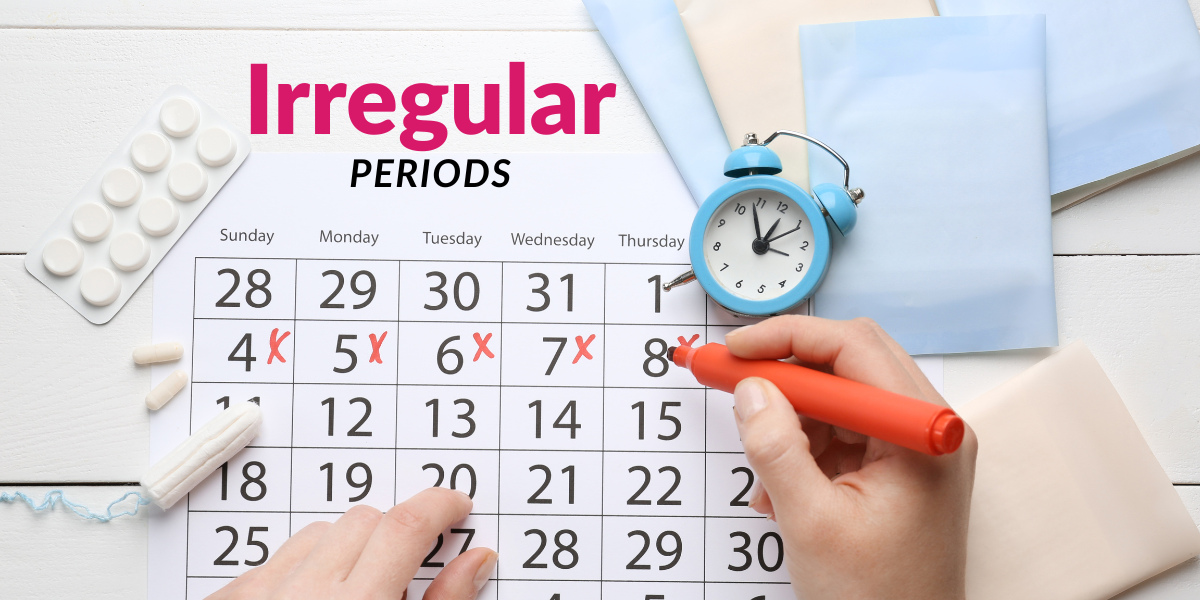
Irregular Periods: Common Causes and When to Seek Help
Most women experience some variation in their menstrual cycle from time to time. Stress, travel, or a change in routine can occasionally cause a period to come earlier or later than expected. But when irregular periods become frequent, heavy, or unpredictable, it may point to an underlying health issue that needs attention.
What Counts as an Irregular Period?
The average menstrual cycle lasts around 28 days, but anything from 21 to 35 days can still be considered normal. Periods are classed as irregular when:
- They come earlier or later than usual by more than a few days
- The length of your cycle varies significantly month to month
- You miss periods without being pregnant
- Bleeding is unusually heavy or very light
- Periods last much longer or shorter than normal
Occasional changes aren’t usually concerning, but consistent irregularity should be checked.
Common Causes of Irregular Periods
- Hormonal Imbalances
Hormones such as oestrogen and progesterone control the menstrual cycle. When these fluctuate, periods can become unpredictable. Teenagers and women approaching menopause are especially prone to this.
- Polycystic Ovary Syndrome (PCOS)
PCOS is one of the most common causes of irregular cycles. It occurs when the ovaries produce excess androgens (male hormones), leading to irregular or absent periods, acne, weight gain, and sometimes fertility problems.
- Thyroid Disorders
Both an underactive and overactive thyroid can affect menstrual cycles. Because the thyroid controls metabolism and hormone balance, even small changes can disrupt your periods.
- Stress and Lifestyle Factors
Emotional stress, sudden weight changes, excessive exercise, or poor sleep can all interfere with ovulation, leading to irregular periods.
- Uterine Fibroids or Polyps
Non-cancerous growths in the womb may cause heavy, prolonged, or irregular bleeding.
- Perimenopause
As women approach menopause, hormone levels fluctuate, making cycles shorter, longer, heavier, or lighter before they stop altogether.
When to Seek Medical Advice
Irregular periods aren’t always serious, but there are times when you should speak to a doctor:
- Your cycle is consistently shorter than 21 days or longer than 35 days
- You go more than 3 months without a period (and are not pregnant)
- You experience very heavy bleeding, soaking through pads or tampons every hour
- Your periods are extremely painful
- You have additional symptoms such as acne, hair growth, or unexplained weight changes
- You’re trying to conceive but your cycles are unpredictable
If your cycle has become irregular, a private gynaecology consultation with hormone tests and an ultrasound can help uncover the cause.
How Irregular Periods are Investigated
Your gynaecologist may recommend:
- Blood tests: To check hormone levels (FSH, LH, oestrogen, progesterone, thyroid hormones, prolactin).
- Ultrasound scans: To detect PCOS, fibroids, or ovarian cysts.
- Cervical screening: If abnormal bleeding is present.
- Lifestyle review: Assessing stress, weight, or exercise patterns.
Treatment Options
Treatment depends on the underlying cause:
- Hormonal therapy: Contraceptive pills, hormone therapy, or coils may regulate cycles.
- Thyroid treatment: Restoring thyroid function often stabilises periods.
- Lifestyle changes: Stress management, healthy weight, and balanced nutrition can improve cycles.
- Fertility support: If irregular cycles are linked to difficulty conceiving, fertility treatments may be discussed.
Can Irregular Periods Be Prevented?
Not all cases can be prevented, but you can support cycle regularity by:
- Maintaining a healthy weight
- Managing stress with exercise, yoga, or meditation
- Sleeping regularly and eating a balanced diet
- Keeping a period diary or using an app to track your cycles
Tracking your cycle helps spot patterns and makes it easier to share accurate information with your doctor.
Final Thoughts
Occasional irregular periods are normal, but frequent or persistent changes deserve attention. They can be a sign of underlying conditions such as PCOS, thyroid problems, or fibroids. The good news is that most causes are treatable once identified.
If you’re concerned about your cycle
Book a private gynaecology consultation to get clarity and take control of your health.
BOOK ONLINE NOW 02071832153
Popular Posts














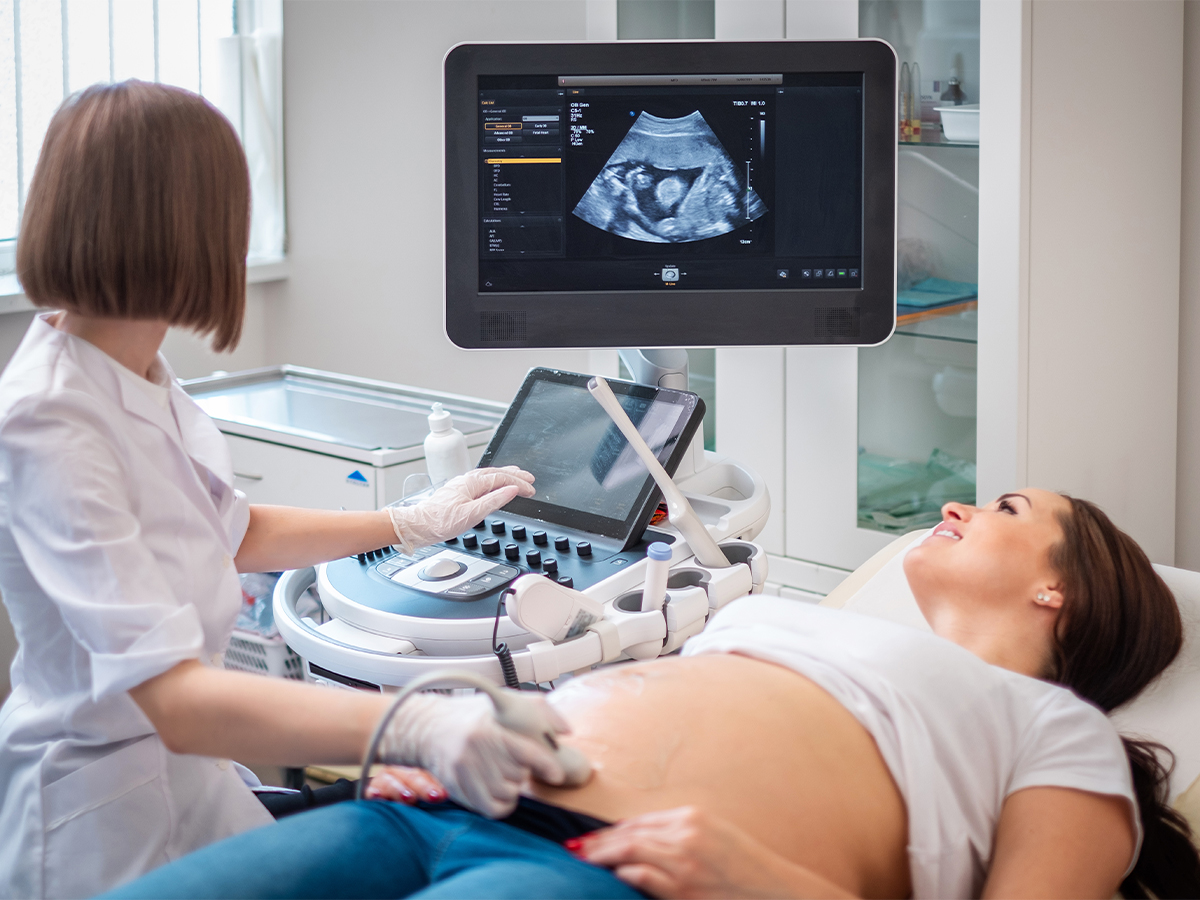
When Should You Book Your First Pregnancy Scan?
Sep 18,2025


Is Your Pelvic Pain Normal or a Warning Sign?
Sep 15,2025



Prioritising Women’s Health: What Matters Most
Jul 27,2025
Exploring the Symptoms of Early Pregnancy
May 01,2025
Identify Vaginismus: Know the Signs and Symptoms
Feb 01,2024

Tips From A Gynaecologist For A Healthy Vagina
May 09,2022

What You Should Discuss With Your Gynaecologist
May 23,2022
9 Healthcare Tips For The Vagina
Apr 25,2022