 20 Old Brompton Road, South Kensington, London SW7 3DL
Located at 20 Old Brompton Road – Just Steps from  South Kensington Tube. Easy Access, Always.

10 Oct 2025
Endometriosis and Fertility: What You Need to Know
Endometriosis is a common condition that affects around 1 in 10 women of reproductive age, yet it’s often misunderstood and under diagnosed. Many women discover they have endometriosis only when they begin investigating fertility problems. Understanding how endometriosis affects your reproductive system — and what can be done about it — is the first step towards finding solutions and hope.
What is Endometriosis?
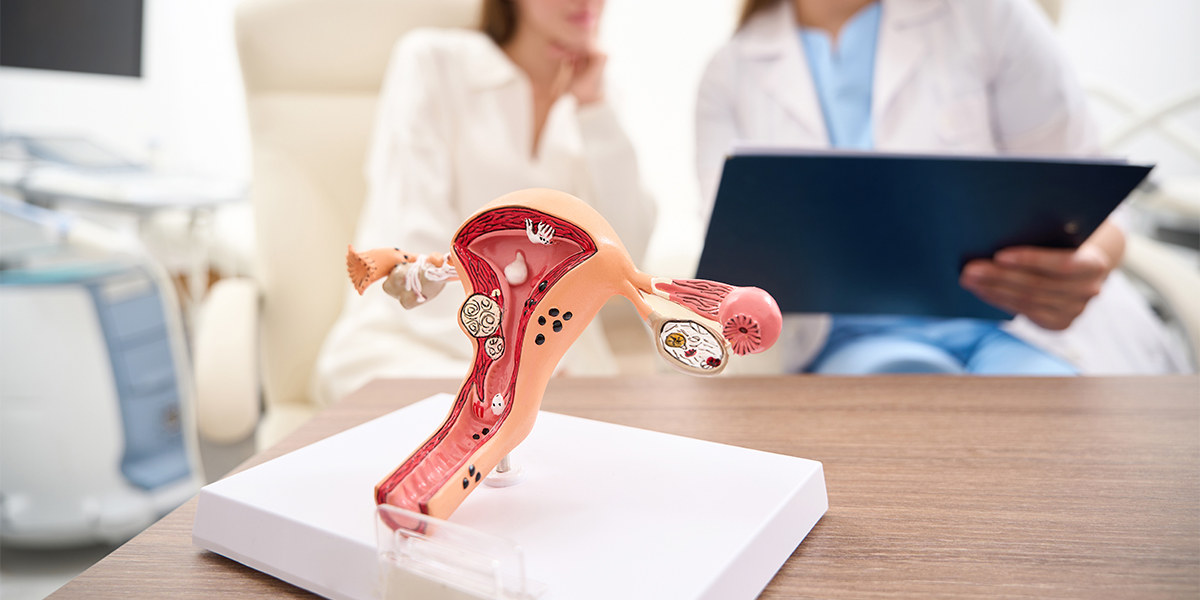
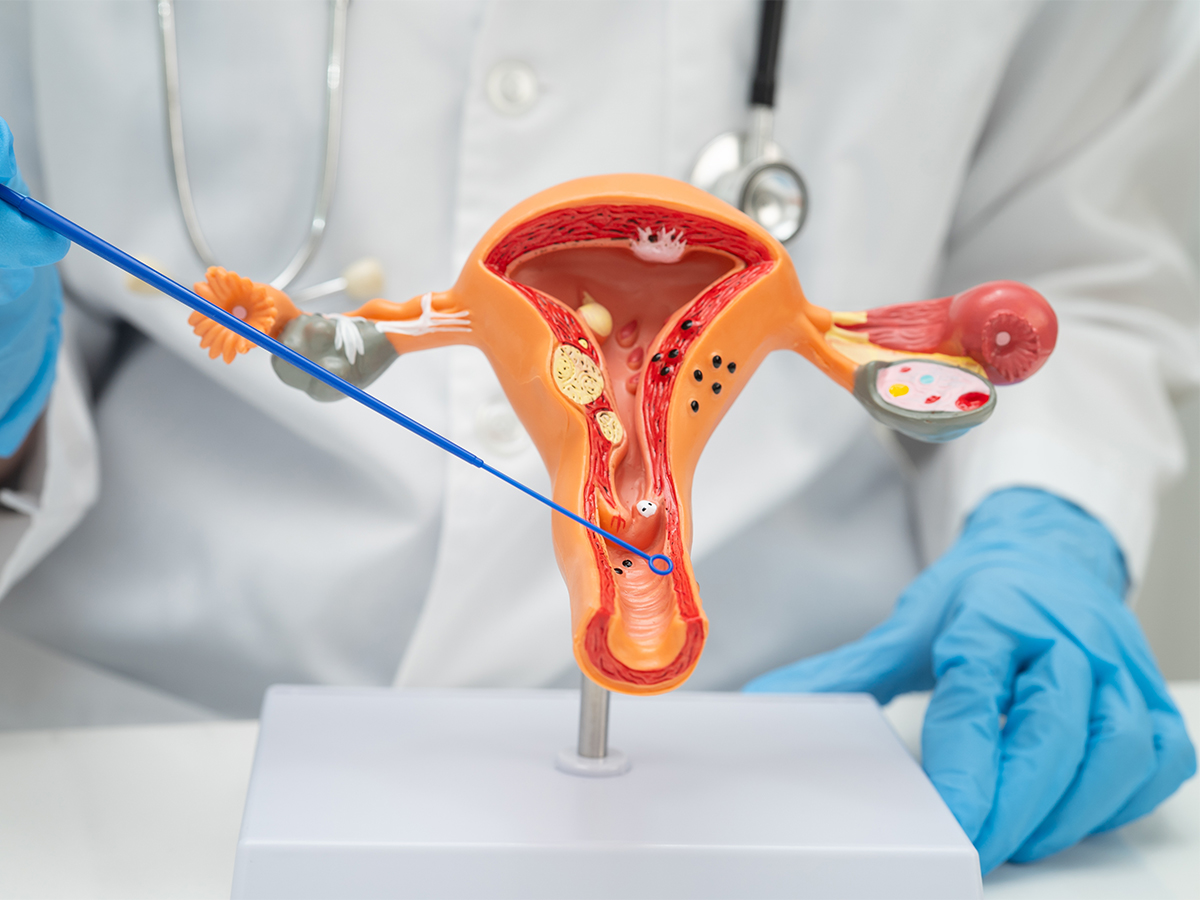
Endometriosis occurs when tissue similar to the lining of the womb (the endometrium) grows outside the uterus. This tissue can form on the ovaries, fallopian tubes, bladder, or bowel. Every month, it reacts to hormonal changes, thickening and bleeding — but with no natural way to leave the body, it causes inflammation, pain, and scar tissue (adhesions).
Over time, this can affect the function of the reproductive organs and make it more difficult to conceive.
How Endometriosis Affects Fertility
Endometriosis can impact fertility in several ways:
- Blocked fallopian tubes: Scar tissue or adhesions may prevent eggs from reaching the womb.
- Ovarian cysts (endometriomas): These cysts can interfere with ovulation and reduce egg quality.
- Inflammation: Chronic inflammation can disrupt the environment needed for fertilisation and implantation.
- Hormonal imbalance: Endometriosis can affect the hormones responsible for ovulation and menstrual regularity.
While endometriosis can make it harder to conceive naturally, many women with mild to moderate disease still achieve pregnancy with or without treatment.
Recognising the Symptoms
Common symptoms include:
- Painful periods that interfere with daily life
- Pelvic pain before or after menstruation
- Pain during sex
- Pain when passing urine or bowel movements
- Heavy or irregular bleeding
- Fatigue or bloating
However, some women with endometriosis have few or no symptoms — making diagnosis more challenging.
If you’re experiencing pelvic pain or struggling to conceive
A private gynaecology consultation and ultrasound scan can help assess for endometriosis or other causes.
BOOK ONLINE NOW 02071832153
How Endometriosis is Diagnosed
Because symptoms can overlap with other conditions, diagnosis often involves several steps:
- Pelvic examination: Your doctor may feel for tenderness or masses.
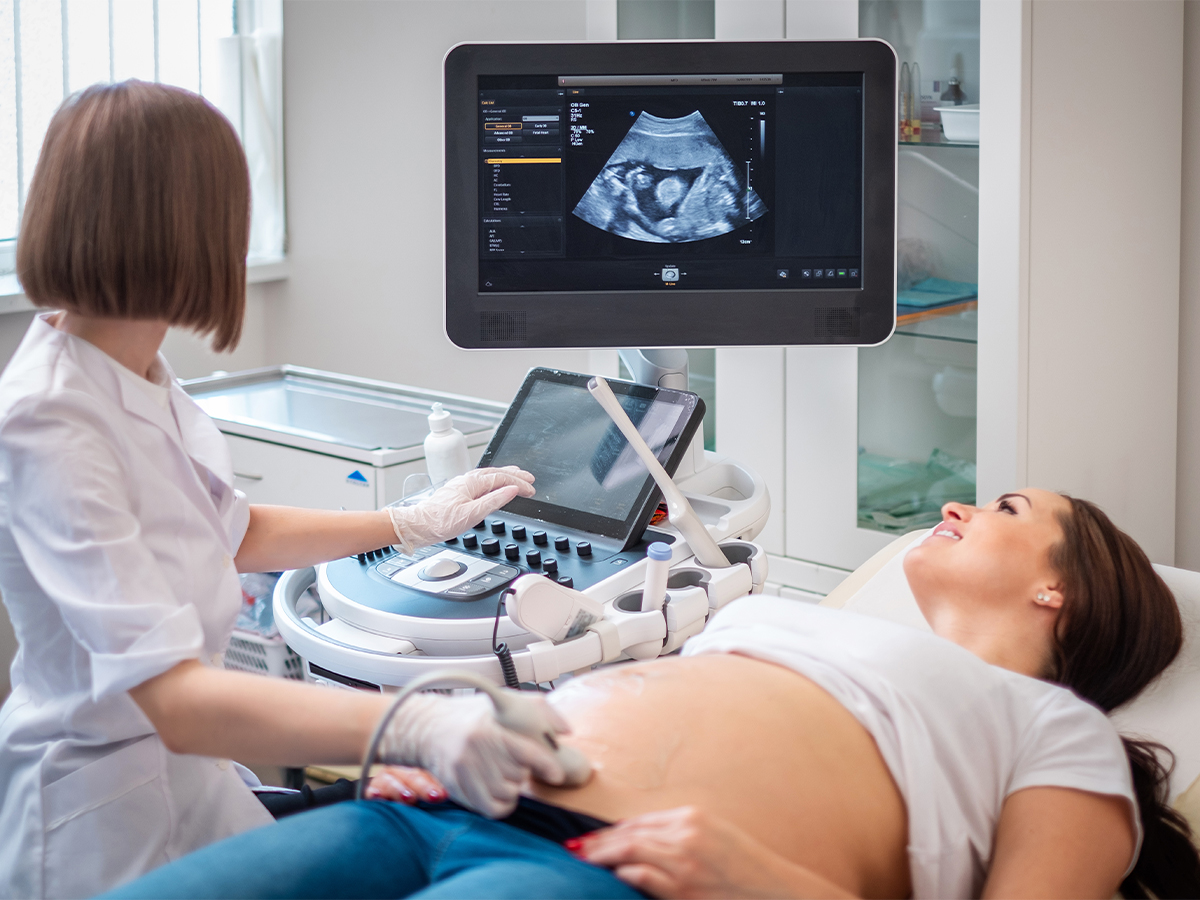
- Ultrasound scan: Can identify endometriomas (cysts linked to endometriosis).
- MRI scan: Provides a clearer image of deep pelvic disease.
- Laparoscopy: A minor surgical procedure where a camera is inserted into the abdomen to confirm diagnosis — considered the “gold standard.”
Early diagnosis is key. Left untreated, endometriosis can worsen over time and cause more extensive scarring.
Can You Get Pregnant with Endometriosis?
Yes, many women with endometriosis do conceive naturally. However, fertility can depend on the severity and location of the condition.
- Mild endometriosis: Often compatible with natural conception.
- Moderate to severe endometriosis: May require treatment or fertility support.
Women with endometriosis may take longer to conceive — studies show about 30–50% may experience fertility difficulties.
Treatment Options for Improving Fertility
- Surgery (Laparoscopy)
Surgical removal of endometriosis tissue can restore normal anatomy and improve fertility rates. Many women conceive naturally within a year after treatment.
- Fertility Treatments
If surgery isn’t effective or suitable, assisted conception may be recommended:
- Ovulation induction medication to encourage egg release.
- Intrauterine insemination (IUI) for mild cases.
- In vitro fertilisation (IVF) for more severe or longstanding cases.
- Lifestyle Support
A healthy lifestyle can help manage inflammation and hormone balance:
- Maintain a balanced, anti-inflammatory diet.
- Exercise regularly.
- Reduce caffeine and alcohol.
- Manage stress with rest and relaxation.
Managing Pain and Symptoms
Even if fertility isn’t an immediate concern, treating endometriosis can improve quality of life. Options include:
- Hormonal therapy (pill, coil, or injections)
- Pain relief medication
- Physiotherapy for pelvic pain
- Surgery for severe cases
Emotional Health and Fertility
Endometriosis can be emotionally exhausting, especially when combined with fertility struggles. It’s common to feel frustrated, anxious, or isolated. Support groups, counselling, and open conversations with your healthcare provider can help you feel less alone and more informed.
Final Thoughts
Endometriosis can make conception more challenging, but it doesn’t mean pregnancy is impossible. With early diagnosis, effective management, and fertility support, many women go on to have successful pregnancies.
If you suspect endometriosis or are struggling to conceive
Book a private consultation and fertility assessment for expert advice and tailored care.
BOOK ONLINE NOW 02071832153Popular Posts






When Should You Book Your First Pregnancy Scan?
Sep 18,2025
Is Your Pelvic Pain Normal or a Warning Sign?
Sep 15,2025



Prioritising Women’s Health: What Matters Most
Jul 27,2025
Exploring the Symptoms of Early Pregnancy
May 01,2025
Identify Vaginismus: Know the Signs and Symptoms
Feb 01,2024
Tips From A Gynaecologist For A Healthy Vagina
May 09,2022
What You Should Discuss With Your Gynaecologist
May 23,2022
9 Healthcare Tips For The Vagina
Apr 25,2022