 20 Old Brompton Road, South Kensington, London SW7 3DL
Located at 20 Old Brompton Road – Just Steps from  South Kensington Tube. Easy Access, Always.

06 Oct 2025
Ovarian Cysts: Symptoms, Causes, and When to Worry
Ovarian cysts are fluid-filled sacs that develop on or inside the ovaries. They are extremely common — in fact, most women will have at least one cyst during their lifetime, often without realising it. In many cases, cysts are harmless and disappear on their own. But sometimes they can cause pain, disrupt your cycle, or require treatment. Knowing the symptoms and when to see a doctor is key to protecting your reproductive health.
What are Ovarian Cysts?
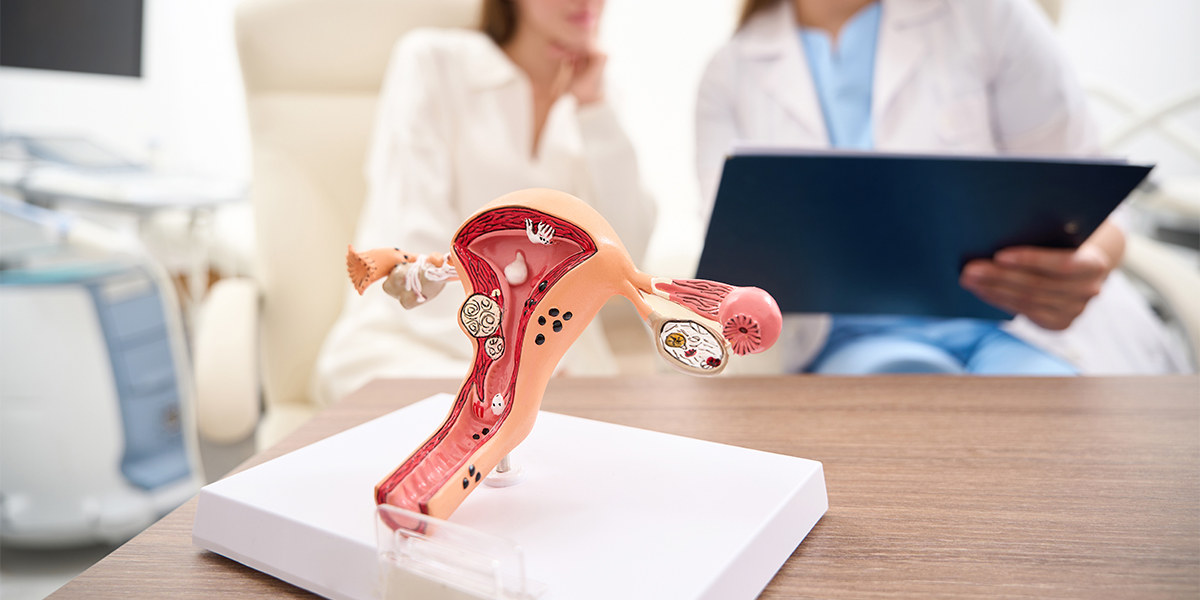
Ovaries normally produce follicles each month as part of the menstrual cycle. When a follicle grows but does not release an egg or fails to shrink afterwards, it can form a cyst. These are known as functional cysts, the most common and usually the least concerning type.
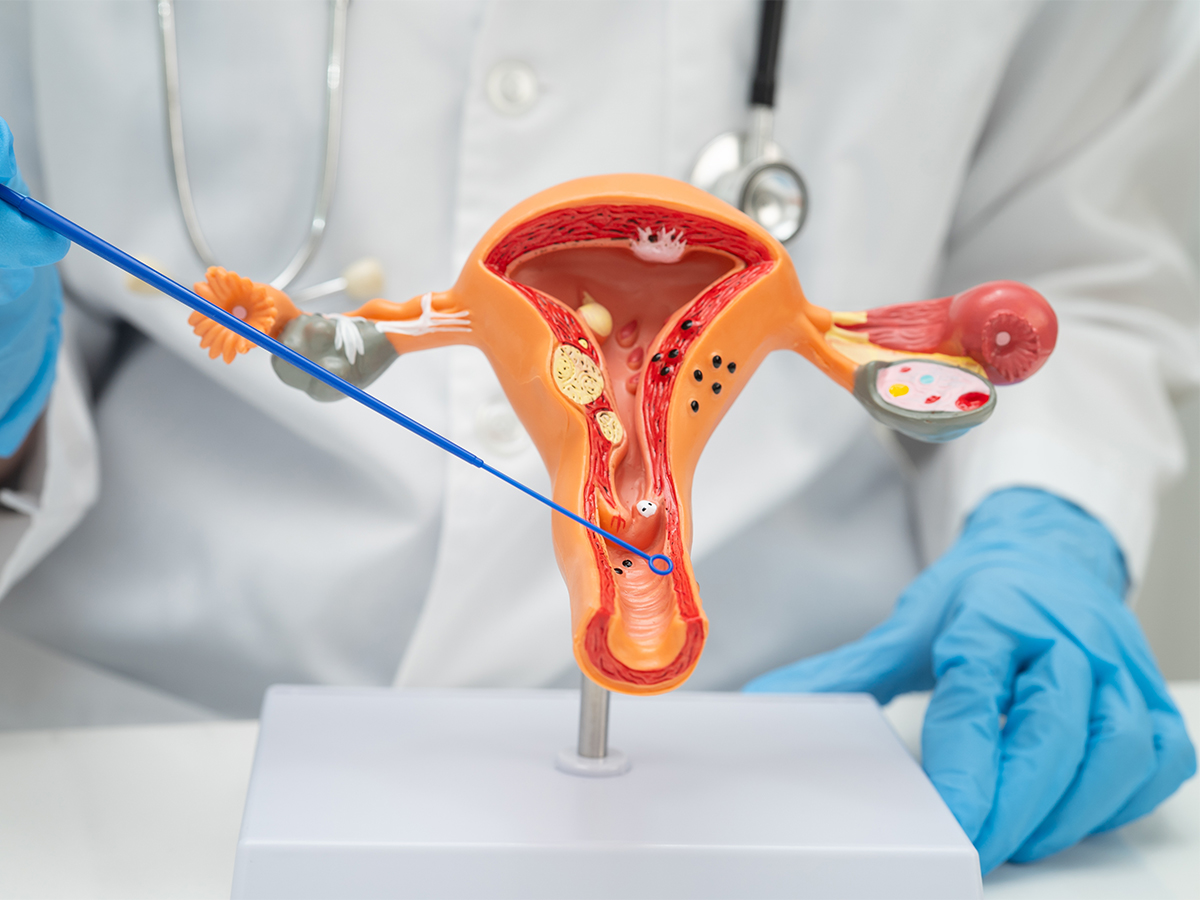
Other types of ovarian cysts include:
- Dermoid cysts: Contain tissue such as skin or hair; usually benign but can become large.
- Endometriomas: Linked to endometriosis, where womb-like tissue grows on the ovary.
- Cystadenomas: Benign growths on the surface of the ovary, which may fill with fluid or mucus.
How common are they?
Ovarian cysts are especially common during the reproductive years. Most are discovered by chance during scans for other reasons. Studies show that up to 18% of premenopausal women have ovarian cysts at any given time. After menopause, cysts are less common but should always be investigated more carefully.
Symptoms of Ovarian Cysts
Many cysts cause no symptoms at all. When they do, the most common include:
- Pelvic or abdominal pain, often on one side
- Bloating or a feeling of fullness
- Irregular or heavy periods
- Pain during sex
- Frequent urination or difficulty emptying the bladder
These symptoms can overlap with other gynaecological conditions, which is why medical assessment is important.
When to Seek Urgent Help
Most cysts are harmless, but occasionally they can lead to complications such as:
- Ovarian torsion: When a cyst causes the ovary to twist, cutting off its blood supply. Symptoms include sudden severe pain, nausea, and vomiting. This is a medical emergency.
- Cyst rupture: When a cyst bursts, it can cause sharp pain, internal bleeding, or infection.
- Cancerous changes: Although rare, some ovarian cysts can be malignant, especially in women over 50.
If you develop sudden, severe pelvic pain, or ongoing symptoms, a trans-vaginal ultrasound scan can confirm whether a cyst is present and whether treatment is needed.
Causes and Risk Factors
Ovarian cysts can form for different reasons, including:
- Hormonal fluctuations during the menstrual cycle
- Polycystic ovary syndrome (PCOS), where multiple small cysts form on the ovaries
- Endometriosis, which can lead to endometriomas
- Pregnancy, where cysts may form to support early gestation
- Fertility treatments, which stimulate the ovaries and may increase cyst formation
How Ovarian Cysts are Diagnosed
- Ultrasound scan: The main test to identify cysts and determine size, type, and location.
- Blood tests: In some cases, CA-125 and other tumour markers are checked.
- MRI scans: Occasionally used if a cyst is complex or unclear on ultrasound.
Treatment Options
Not all ovarian cysts require treatment. Your gynaecologist may recommend:
- Watchful waiting: Many cysts shrink or disappear within a few months.
- Medication: Hormonal contraceptives may prevent new cysts but won’t shrink existing ones.
- Surgery: Large, persistent, or suspicious cysts may be removed through laparoscopy (keyhole surgery) or, rarely, open surgery.
Living with Ovarian Cysts
While waiting to see if a cyst resolves, you can manage symptoms with:
- Over-the-counter pain relief
- Heat pads for cramps
- Tracking your cycle and symptoms to share with your doctor
- Lifestyle measures such as maintaining a healthy weight and balanced diet
Knowing that many cysts are harmless can reduce anxiety, but keeping an eye on changes ensures you get the right care if needed.
Emotional Wellbeing
Hearing you have an ovarian cyst can feel worrying, particularly if you’re concerned about fertility or cancer. It’s reassuring to remember that the majority are benign and treatable. Speaking to a gynaecologist and having clear answers from a scan often provides the peace of mind women need.
Final Thoughts
Ovarian cysts are common, and most resolve naturally without treatment. But if you’re experiencing persistent pain, bloating, or changes to your cycle, it’s important to get checked. Early diagnosis ensures that any serious complications are caught in time.
For expert reassurance, book a private gynaecology consultation and ultrasound
discuss your symptoms and receive tailored care.
BOOK ONLINE NOW 02071832153
Popular Posts













When Should You Book Your First Pregnancy Scan?
Sep 18,2025


Is Your Pelvic Pain Normal or a Warning Sign?
Sep 15,2025



Prioritising Women’s Health: What Matters Most
Jul 27,2025
Exploring the Symptoms of Early Pregnancy
May 01,2025
Identify Vaginismus: Know the Signs and Symptoms
Feb 01,2024
Tips From A Gynaecologist For A Healthy Vagina
May 09,2022

What You Should Discuss With Your Gynaecologist
May 23,2022
9 Healthcare Tips For The Vagina
Apr 25,2022