 20 Old Brompton Road, South Kensington, London SW7 3DL
Located at 20 Old Brompton Road – Just Steps from  South Kensington Tube. Easy Access, Always.

08 Oct 2025
Fertility in Your 30s and 40s: What Every Woman Should Know
For many women, the decision to start or expand a family happens later in life. While it is absolutely possible to conceive in your 30s and 40s, fertility does change with age. Understanding how your body’s natural fertility shifts, and what options are available, can help you make informed choices and plan with confidence.
How Age Affects Fertility
Women are born with all the eggs they will ever have — around 1 to 2 million at birth. By puberty, this number has already dropped to about 300,000, and each month more eggs are lost. Both the quantity and quality of eggs decline with age, which is why fertility naturally decreases over time.
- In your early 30s: Fertility is only slightly lower than in your 20s, but the risk of miscarriage begins to increase.
- By age 35: Egg quality declines more noticeably, and chances of conception per cycle start to fall.
- In your 40s: Fertility continues to drop, and the likelihood of complications such as miscarriage, ectopic pregnancy, and chromosomal conditions is higher.
Common Concerns for Women in Their 30s and 40s
- Difficulty Conceiving
Irregular ovulation, reduced egg quality, or underlying conditions like PCOS or endometriosis can make it harder to conceive.
- Miscarriage Risk
The risk of miscarriage increases with age, from about 1 in 5 pregnancies at age 35 to 1 in 2 by age 45.
- Pregnancy Complications
Older maternal age carries a higher risk of complications such as high blood pressure, gestational diabetes, and preterm birth.
- Hormonal Changes
Perimenopause can begin in the late 30s or early 40s, affecting cycle length and ovulation.
If you’re trying to conceive and finding it difficult, a fertility hormone profile and gynaecology consultationcan help identify your options.
Tests to Assess Fertility
Private clinics offer a range of tests to evaluate fertility potential:
- AMH (Anti-Müllerian Hormone) test: Estimates ovarian reserve (egg supply).
- Hormone profiles: Measure FSH, LH, oestradiol, prolactin, and thyroid hormones to assess ovulation.
- Ultrasound scans: Check ovarian function, follicle count, and uterine health.
- Infection screening: STIs such as chlamydia can impact fertility if left untreated.
Together, these tests provide a clearer picture of your fertility status and guide next steps.
Boosting Fertility Naturally
While age is a major factor, lifestyle choices also influence fertility. You can improve your chances by:
- Maintaining a healthy weight
- Eating a balanced diet rich in fruit, vegetables, and lean protein
- Avoiding smoking and limiting alcohol
- Reducing caffeine intake
- Managing stress with exercise, yoga, or meditation
- Tracking cycles to identify fertile days
Fertility Support and Treatment
If natural conception proves difficult, fertility treatments may help:
- Ovulation induction medication: Helps stimulate ovulation.
- Intrauterine insemination (IUI): Places sperm directly into the womb.
- In vitro fertilisation (IVF): Eggs are fertilised in a lab and then transferred to the womb.
- Egg freezing or donor eggs: Options for women with low ovarian reserve.
While success rates decline with age, advances in fertility medicine mean that many women in their late 30s and early 40s still achieve healthy pregnancies.
When to Seek Help
Doctors generally recommend seeking advice if:
- You’re under 35 and haven’t conceived after 12 months of trying
- You’re over 35 and haven’t conceived after 6 months
- You have irregular cycles, a history of miscarriage, or known gynaecological conditions
Final Thoughts
Fertility does decline with age, but many women in their 30s and 40s go on to have healthy pregnancies. Knowing your options, getting tested early, and making informed lifestyle choices can give you the best possible chance.
For reassurance and expert advice
Book a fertility consultation and hormone profile to explore your options today.
BOOK ONLINE NOW 02071832153
Popular Posts











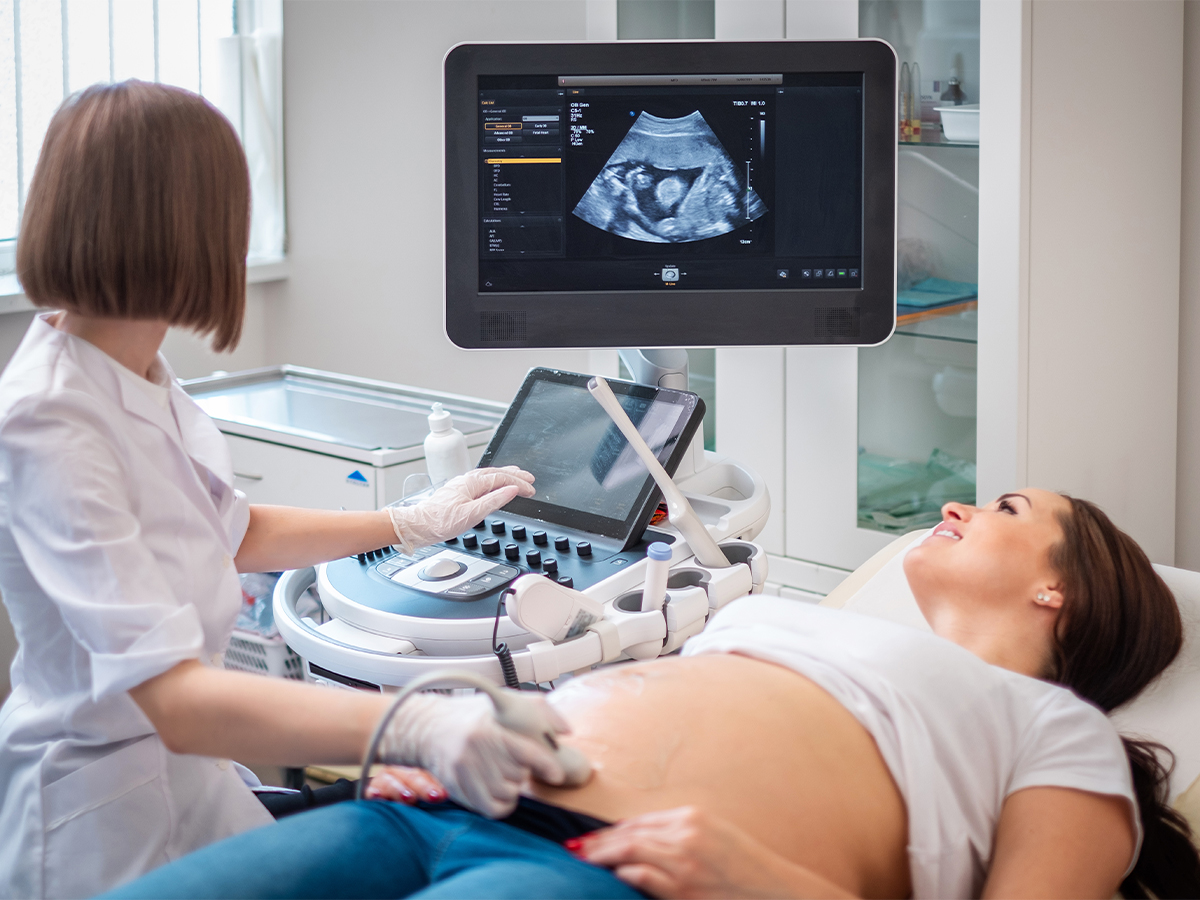
When Should You Book Your First Pregnancy Scan?
Sep 18,2025


Is Your Pelvic Pain Normal or a Warning Sign?
Sep 15,2025


Prioritising Women’s Health: What Matters Most
Jul 27,2025
Exploring the Symptoms of Early Pregnancy
May 01,2025
Identify Vaginismus: Know the Signs and Symptoms
Feb 01,2024
Tips From A Gynaecologist For A Healthy Vagina
May 09,2022

What You Should Discuss With Your Gynaecologist
May 23,2022
9 Healthcare Tips For The Vagina
Apr 25,2022