 20 Old Brompton Road, South Kensington, London SW7 3DL
Located at 20 Old Brompton Road – Just Steps from  South Kensington Tube. Easy Access, Always.

09 Oct 2025
Hormonal Imbalance in Women: Signs, Symptoms, and How to Fix It
Hormones control nearly every function in a woman’s body — from mood, sleep, and metabolism to fertility and menstrual health. When these chemical messengers fall out of balance, even slightly, the effects can be felt across multiple systems. Understanding the signs of hormonal imbalance and how to restore balance is key to feeling healthy, energetic, and emotionally well.
What is a Hormonal Imbalance?
A hormonal imbalance occurs when there’s too much or too little of one or more key hormones in your bloodstream. The main hormones that influence women’s health include oestrogen, progesterone, testosterone, thyroid hormones, cortisol, and insulin.
Because hormones work together, changes in one can affect many others — which is why symptoms are often wide-ranging and sometimes confusing.
Common Causes of Hormonal Imbalance
- Stress: Chronic stress elevates cortisol, which can disrupt reproductive hormones.
- Polycystic Ovary Syndrome (PCOS): Leads to excess androgens and irregular cycles.
- Thyroid disorders: Both overactive and underactive thyroids affect metabolism and menstrual health.
- Perimenopause and menopause: Natural hormone decline causes symptoms such as hot flushes and mood changes.
- Poor diet or sleep: Nutrient deficiencies and irregular routines affect hormonal regulation.
- Certain medications or contraception: Can alter hormone levels or mask imbalances.
Signs and Symptoms of Hormonal Imbalance
Hormonal imbalances can look different in every woman, but the most common symptoms include:
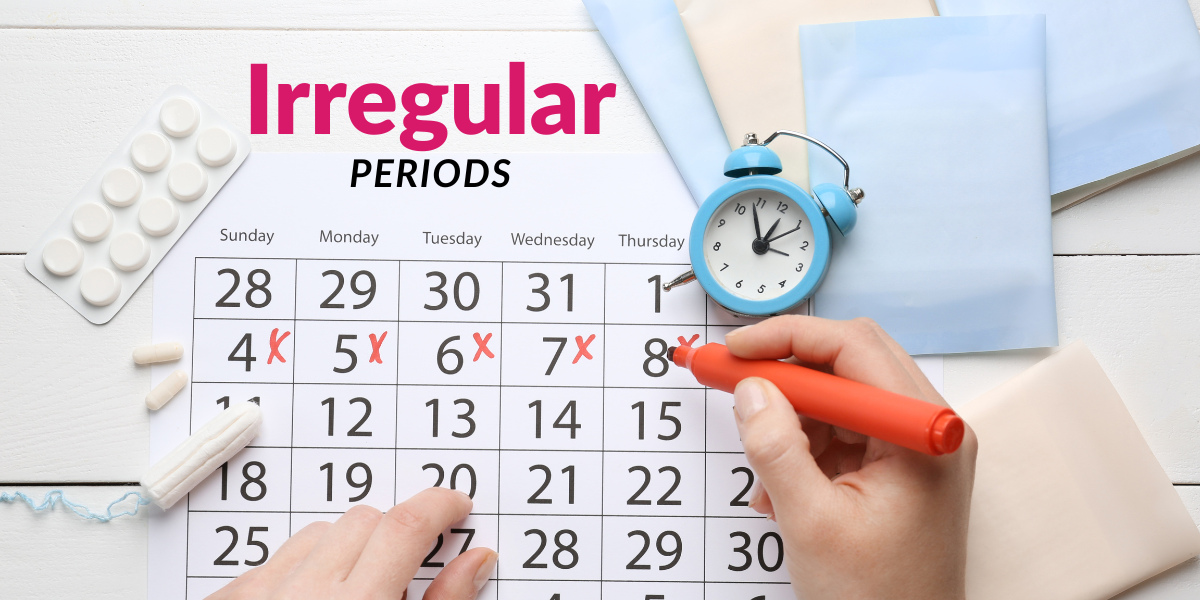
- Irregular Periods
Cycles shorter than 21 days, longer than 35, or skipped periods altogether often point to hormonal changes.
- Unexplained Weight Changes
Sudden weight gain or difficulty losing weight can be linked to thyroid dysfunction, insulin resistance, or cortisol excess.
- Fatigue and Low Energy
Persistent tiredness even after rest may be caused by low thyroid function or adrenal fatigue.
- Mood Swings, Anxiety, or Low Mood
Fluctuations in oestrogen and progesterone can affect serotonin, the “feel-good” chemical in the brain.
- Skin and Hair Changes
Acne, hair thinning, or unwanted facial hair can result from excess androgens or oestrogen dominance.
- Sleep Problems
Hormones like progesterone and cortisol influence sleep cycles — imbalances can lead to insomnia or restless nights.
- Hot Flushes or Night Sweats
Common during perimenopause and menopause due to declining oestrogen levels.
- Low Sex Drive or Vaginal Dryness
A drop in oestrogen or testosterone can reduce libido and cause discomfort during sex.
If you’re experiencing these symptoms, a female hormone profile and gynaecology consultation can identify imbalances and guide personalised treatment.
How Hormonal Imbalance is Diagnosed
Your gynaecologist may recommend:
- Blood tests: To measure oestrogen, progesterone, testosterone, thyroid hormones, cortisol, and insulin.
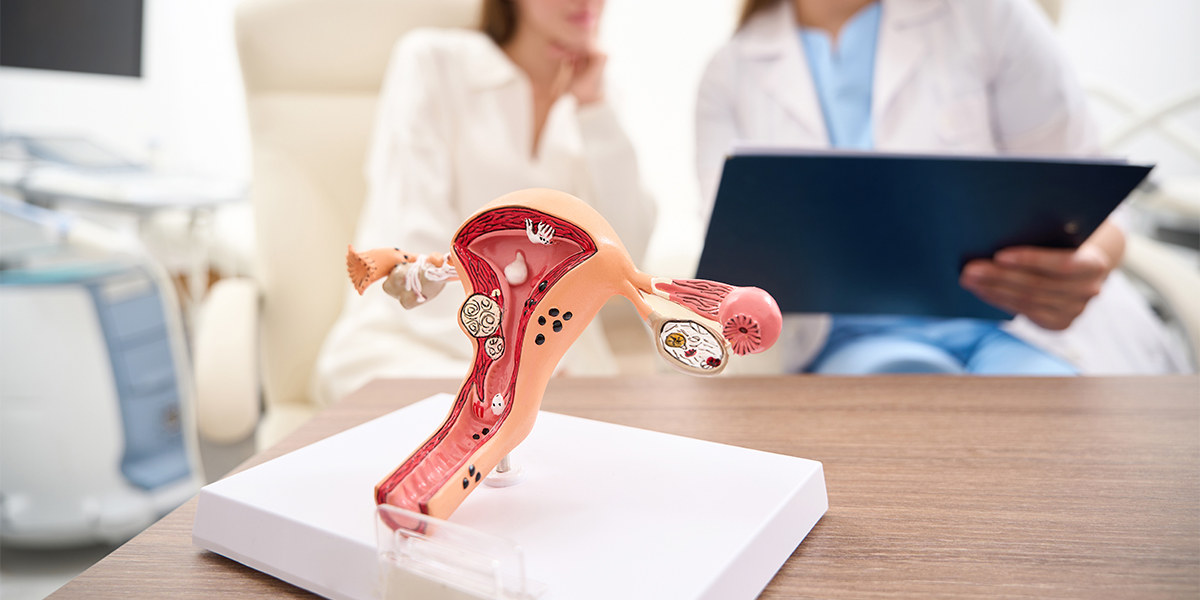
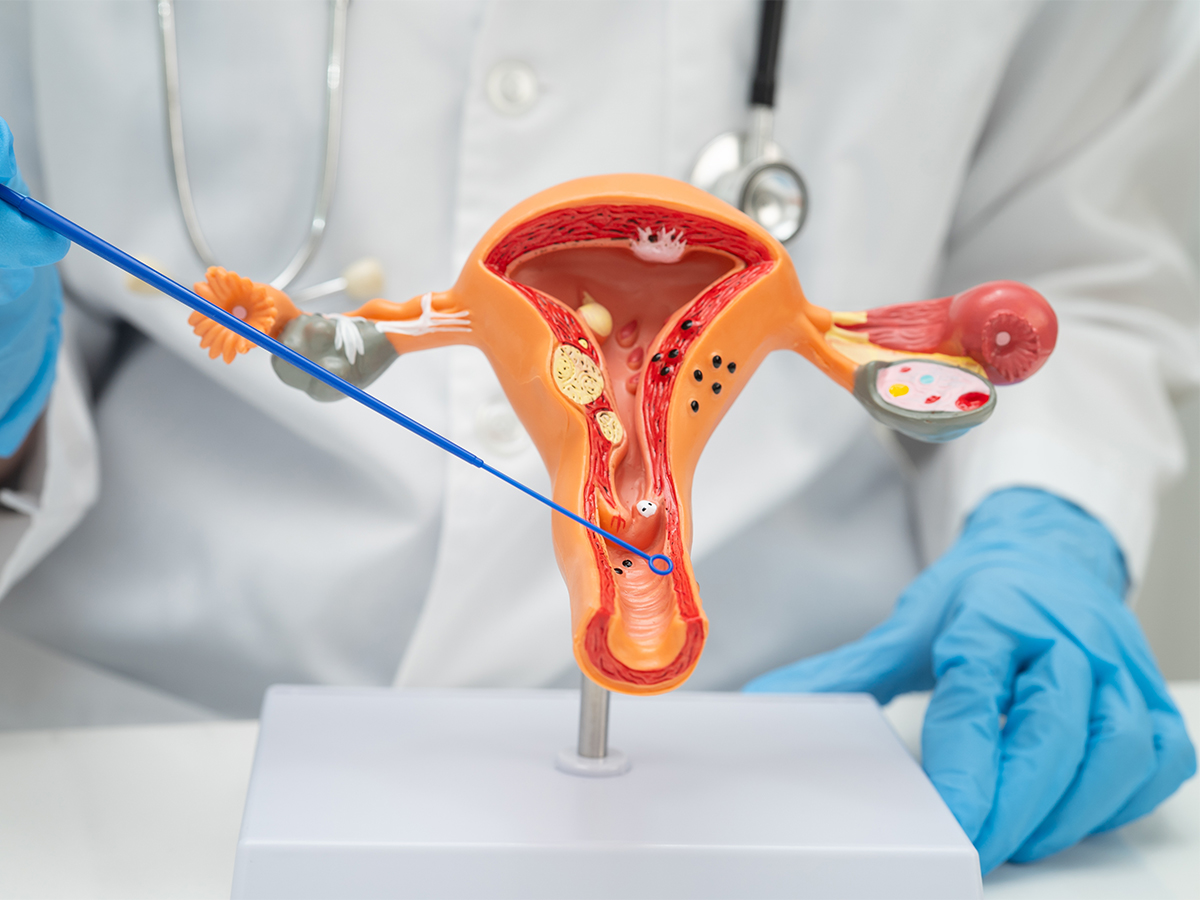
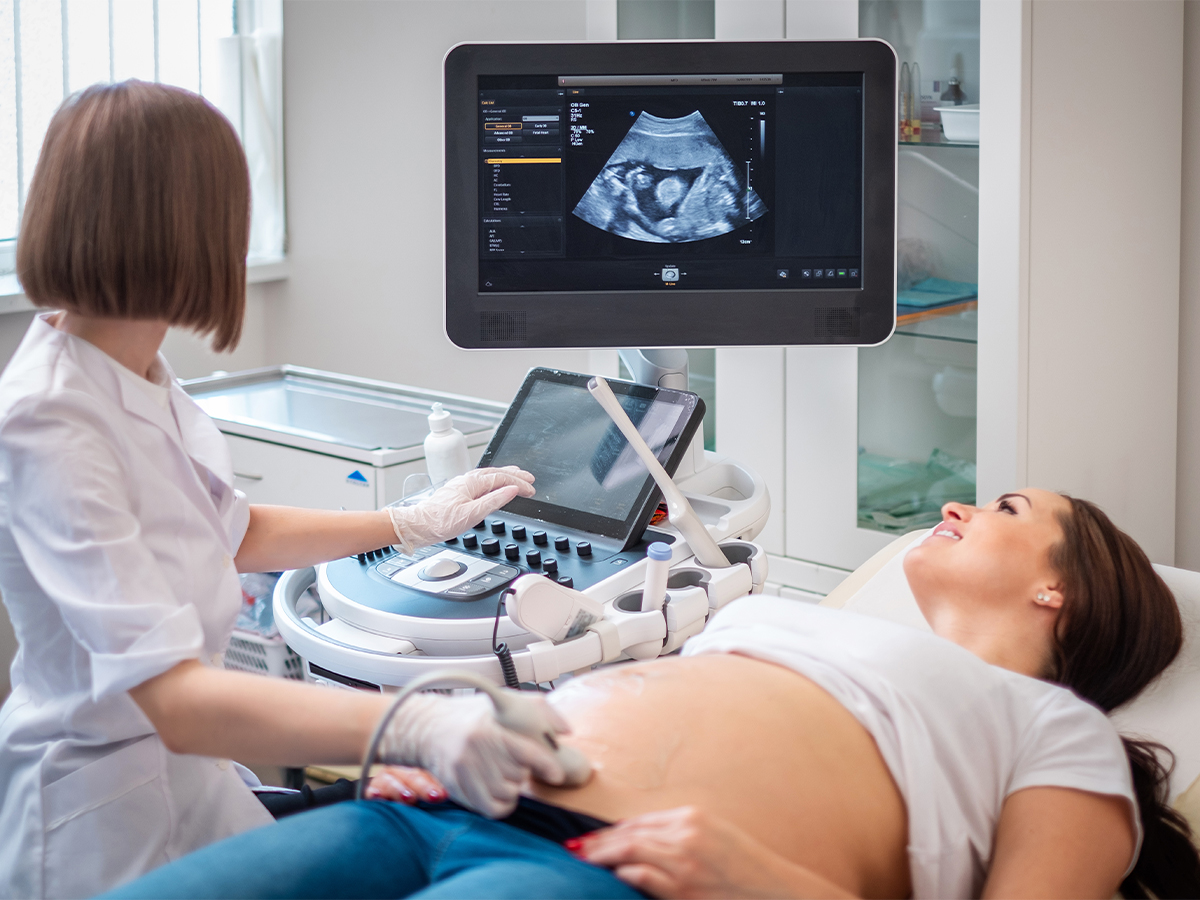
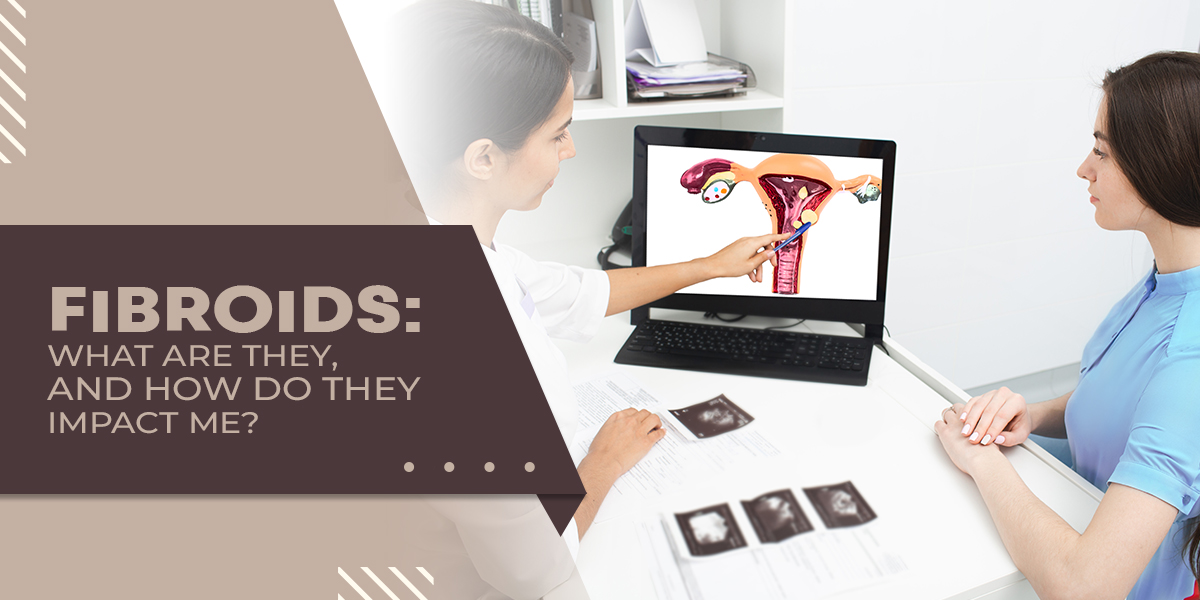
- Ultrasound scans: To check ovarian or uterine changes linked to PCOS or fibroids.
- Symptom tracking: Recording your cycle, sleep, and mood patterns helps pinpoint hormone fluctuations.
Because hormone levels change throughout the menstrual cycle, tests are often timed to specific days for accuracy.
How to Restore Hormonal Balance
- Lifestyle Adjustments
- Balanced diet: Include whole grains, lean proteins, healthy fats, and foods rich in B vitamins, zinc, and magnesium.
- Exercise: Regular activity improves insulin sensitivity and supports hormonal regulation.
- Stress management: Meditation, yoga, and quality sleep lower cortisol and promote balance.
- Limit caffeine and alcohol: Excess amounts can worsen hormonal fluctuations.
- Medical Treatments
Depending on the cause, your doctor may suggest:
- Hormone replacement therapy (HRT): For menopause symptoms.
- Thyroid medication: To correct overactive or underactive thyroid function.
- Hormonal contraception: To regulate cycles or manage PCOS.
- Metformin or fertility medication: For insulin resistance or ovulation problems.
- Supplements and Supportive Therapies
Certain supplements such as vitamin D, omega-3 fatty acids, and herbal adaptogens may support hormonal health — though these should only be used under professional guidance.
Long-Term Health Impact
If left untreated, hormonal imbalances can contribute to issues such as infertility, osteoporosis, cardiovascular disease, and diabetes. Early diagnosis and proper management can prevent complications and restore quality of life.
Final Thoughts
Hormonal imbalance is common, but it doesn’t have to be something you live with. Whether you’re struggling with irregular periods, mood changes, fatigue, or fertility concerns, identifying the cause and seeking timely treatment can help you feel like yourself again.
For accurate diagnosis and personalised care
Book a private gynaecology consultation and hormone test to start your journey back to balance.
BOOK ONLINE NOW 02071832153
Popular Posts













When Should You Book Your First Pregnancy Scan?
Sep 18,2025


Is Your Pelvic Pain Normal or a Warning Sign?
Sep 15,2025


Prioritising Women’s Health: What Matters Most
Jul 27,2025
Exploring the Symptoms of Early Pregnancy
May 01,2025
Identify Vaginismus: Know the Signs and Symptoms
Feb 01,2024
Tips From A Gynaecologist For A Healthy Vagina
May 09,2022

What You Should Discuss With Your Gynaecologist
May 23,2022
9 Healthcare Tips For The Vagina
Apr 25,2022