 20 Old Brompton Road, South Kensington, London SW7 3DL
Located at 20 Old Brompton Road – Just Steps from  South Kensington Tube. Easy Access, Always.
19 Aug 2025
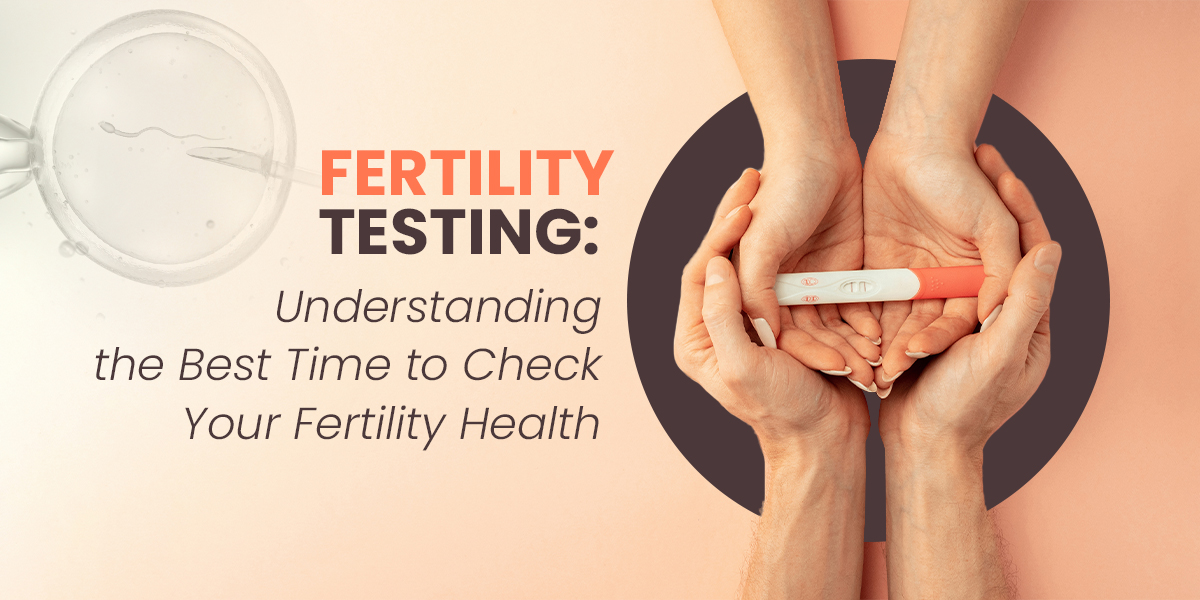
Fertility Testing: Understanding the Best Time to Check Your Fertility Health
Whether you are considering starting a family now or in the future, the question “when should I test my fertility?” might have entered your head.
Fertility tests are a collection of medical tests which enable you to better understand your fertility health, and guide your fertility consultant in recommending what you should do next.
In the UK, about 1 in every 7 couples experience trouble conceiving, which means infertility is widely prevalent. However, fertility problems do not necessarily indicate that you can never get pregnant. Fertility testing is simply used to figure out the root cause of difficult conceptions, and can also guide treatments which enhance the chances of conception.
Fertility tests are not merely for individuals trying to conceive. Rather, fertility testing is a crucial proactive approach for anybody wanting to have a clear idea of their reproductive health. Regardless of whether you are wanting to conceive in the near future, are interested in egg freezing, have previously experienced conception issues, or simply want to know where you stand so that you may plan ahead, it is highly recommended speak with a consultant as soon as possible.
Here you will discover an active guide for fertility test timing based on factors that may influence your fertility, such as age, the presence of certain underlying conditions like PCOS, history of cancer chemotherapy, and others. Read on this blog to find out the ideal time for your fertility testing.
How do I know when it is best to take a fertility test?
The ideal time to undergo a fertility test is before you are ready to conceive, especially if you are planning ahead. Testing early will reveal potential issues earlier and allow you to make informed choices about your reproductive future.
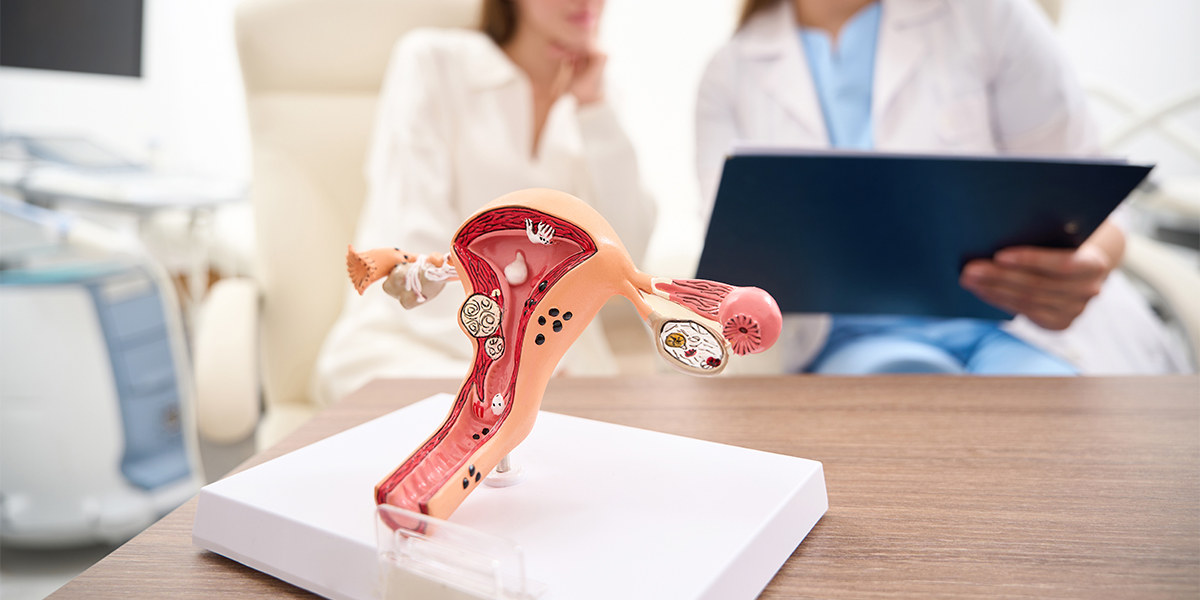
A women’s fertility test can consist of hormone tests, ultrasounds and other tests based on your requirement. On the other hand, a man’s fertility testing can consist of semen analysis and semen tests, such as a DNA fragmentation test or aneuploidy test.
For women aged below 35:
If you are below 35 and are not planning to have a baby in recent time, but may wish to in the future, fertility testing can help create a foundation for your reproductive health status. This may involves assessing your levels of Anti-Mullerian Hormone (AMH), which reveal about your ovarian reserve.
While your fertility will probably remain a healthy one at this age, testing early can give you peace of mind or point to any early issues as well. This is particularly relevant if there is a medical history of early menopause or gynaecological conditions like PCOS or endometriosis running in your family.
If you are actually trying for a baby right now, the general recommendation is to have a fertility test after 12 months of failed attempts. If you do have any worries, though, you should seek help from a fertility consultant promptly.
For women aged over 35:
After the age of 35, fertility tends to significantly reduce in most women. If you belong to this age group and plan to be pregnant, even in the next few years, it’s time you must go for a fertility testing.
You might be recommended to have a wider range of tests, since egg quality and numbers fall more rapidly with age. Testing can allow you to make an informed decision about conceiving earlier, looking into egg freezing or investigating assisted reproductive methods.
If you have already begun attempting pregnancy, the suggestion is to attempt conception for at least 6 months before fertility testing. But those with an issue should see a fertility consultant earlier.
For women aged 40 and older:
Both the quantity and quality of eggs reduce even more quickly when you are over the age of 40. If you are over this age and failed to conceive within 3 months of attempting, it is highly advised to consult a doctor at once. Some professional opinions suggest that you should get a check done even prior to your attempt so as not to waste valuable time if you are over 40.
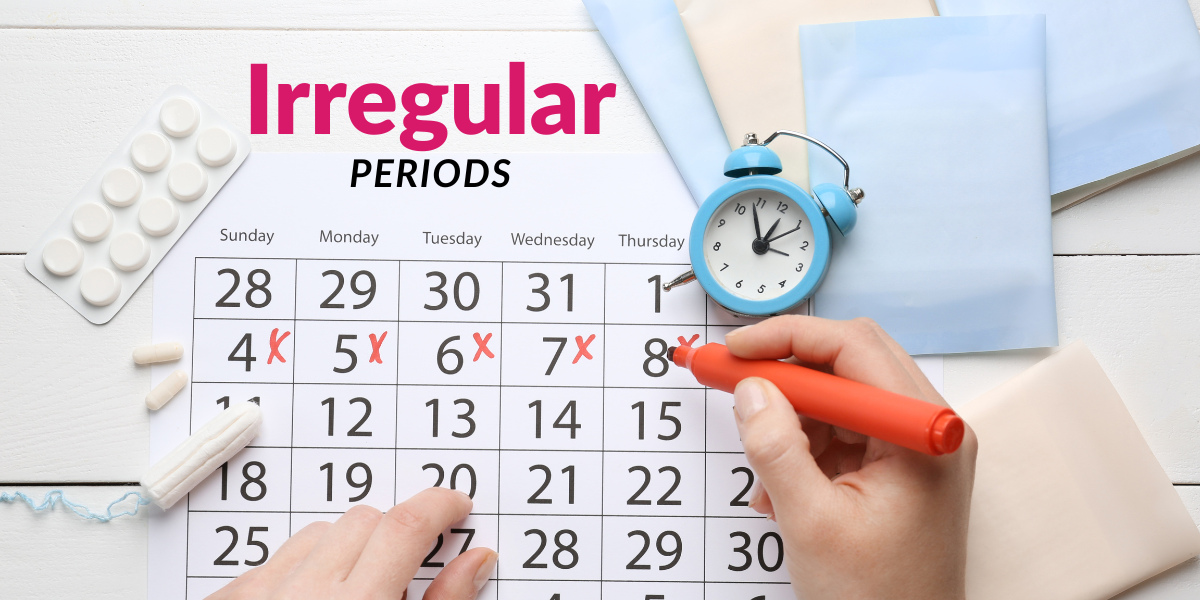
With irregular periods:
Missing or irregular periods can indicate that your ovulation is not consistent, which may impact your ability to conceive. Conditions like low body weight, polycystic ovarian syndrome (PCOS), hormonal irregularities or thyroid problems may often lead to irregular menstrual cycles.
If your periods are irregular, talk to a fertility specialist irrespective of your age or recent family plans. The tests can check if you are ovulating sufficiently and identify any potentially reversible causes as well.
After previous difficulty conceiving:
If you have already attempted to get pregnant for 12 months (or 6 months if you are older than 35 or even 3 months if you are older than 40) and not been successful, fertility testing is worth having – even if you are not currently trying for a baby. It is applicable to both the partners and could involve a transvaginal scan, semen analysis, and ovarian reserve testing.
The immune system has an important role to play in maintaining a pregnancy and, therefore, immune testing can be used to detect immune conditions that can be affecting conception. Immune testing examines parameters like leukocyte antibodies, cytokine ratios, natural killer (NK) cell cytotoxicity and so on, especially in women with history of autoimmune disease, repeated implantation failure or recurrent miscarriage. In some specialist clinics, immune testing may be considered, although its role in fertility assessment remains debated.
Just because you have previously had difficulty getting pregnant, does not mean that you will not be able to conceive in the future. But knowing what went wrong can help inform your strategy in the future.
When taking medications which may influence fertility:
Certain medications, for example those used to treat autoimmune diseases or hormonal disorders, can influence fertility. If you are on long-term medication and wish to conceive in the future, discuss with your consultant if fertility testing is suggested.
This provides an opportunity to consider options like fertility preservation, if necessary, or other treatments that might have a lesser effect on reproductive health.
With a history of cancer treatment:
Cancer therapies like chemotherapy and radiotherapy may damage ovarian function or sperm production, often irreversibly. If you have had cancer treatment, even in the past, you should have fertility testing, whether you have had any previous problems with fertility or not. If you are set to begin cancer treatment, it is highly advisable to have fertility preservation prior to starting the chemo or the radiotherapy. It can either be in the form of freezing egg or embryo or through ovarian tissue freezing. Men can also freeze various samples of sperm prior to undergoing cancer treatment.
Your consultant might suggest hormone testing, ovarian reserve tests or sperm testing, depending on your medical history and type of treatment.
After an STI diagnosis:
Some sexually transmitted infections (STIs) like gonorrhoea or chlamydia may cause complications that can impact fertility, for instance, scarring of the reproductive tract or pelvic inflammatory disease (PID) in women.
Other factors:
Other situations where fertility testing early on can be helpful include:
- A history of fertility problems or premature menopause running in the family
- Diagnosis of gynaecological conditions such as endometriosis
- Lifestyle factors like smoking, overweight or high levels of stress
- Willing to learn more about your reproductive health in an active sense
If I have had an STI before, when is it right to check my fertility?
If you have had an STI previously, especially untreated chlamydia or gonorrhoea, which can sometimes cause scarring of the reproductive tract.
When to consult a doctor
If you are not sure when you should go for fertility tests, or whether it is even needed for you, the best action to take is to talk to a fertility consultant at a private gynaecology clinic in London. They can advise you on whether or not testing is an option for you depending on your medical history, age and future plans, and walk you through the most suitable options for your condition.
At our Gynaecology Clinic, our specialist consultants provide fertility testing in a warm and confidential setting. Whether you are planning to conceive, we will assist you in making the right choices regarding your fertility treatment.
For further information, contact our Gynaecology Clinic today on 02071832153 or mail us at info@gynaecologyclinic.com to book an appointment with our fertility specialists.
Popular Posts













When Should You Book Your First Pregnancy Scan?
Sep 18,2025


Is Your Pelvic Pain Normal or a Warning Sign?
Sep 15,2025



Prioritising Women’s Health: What Matters Most
Jul 27,2025
Exploring the Symptoms of Early Pregnancy
May 01,2025
Identify Vaginismus: Know the Signs and Symptoms
Feb 01,2024
Tips From A Gynaecologist For A Healthy Vagina
May 09,2022

What You Should Discuss With Your Gynaecologist
May 23,2022
9 Healthcare Tips For The Vagina
Apr 25,2022